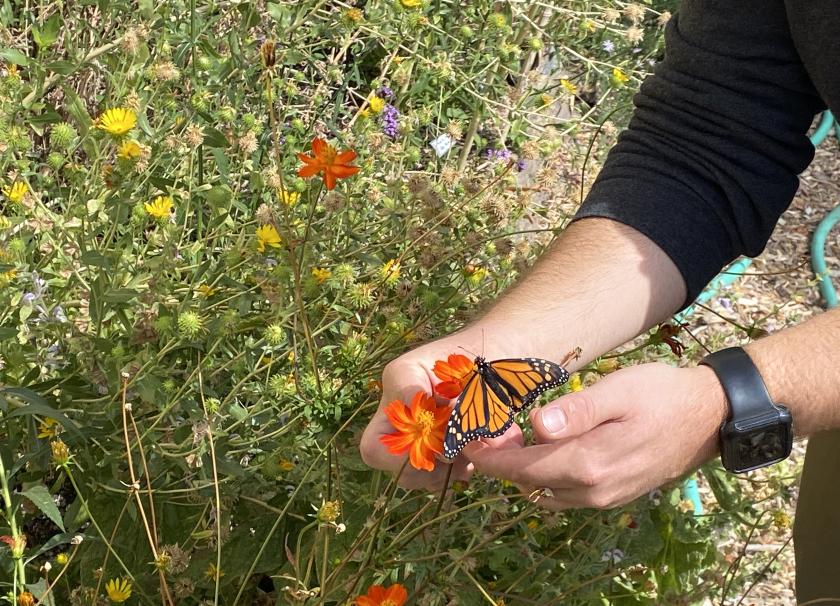
April 2023 Change for Good Partner: Pollinator Project Rogue Valley
From Kristina Lefever, Pollinator Project Rogue Valley President
We have a reason, a way, and yes, a hope, that we as humans will act to insure the long-term sustainability of this beautiful place where we live. We believe that gardens, specifically pollinator gardens, are even more important now, because they provide not only a much needed respite for the remaining populations of pollinator species, but also a place for them to live, survive, and thrive in an ever shrinking larger landscape. It is becoming more and more apparent that gardens, spaces and “landscapes” can no longer serve only the interest of “us” - in fact, we must think about how our outdoor spaces can serve other creatures who live here, too, before it's too late.
Join us on our journey of discovery, beauty, and creation - how can planting native in our gardens and landscapes help restore our local ecosystem? There are many resources to inspire you to learn more about why and how to grow a native pollinator garden, or at the least, to add natives to your space, and help serve our native pollinator populations and the ecosystems that they support. We like to think our Resources page is a good one to get you started!
How can folks bring in more pollinators?
It’s simple. A pollinator-friendly landscape provides:
1. Forage - Trees, shrubs, flowering plants, and native grasses that provide pollen and nectar from early spring to early winter, and/or are “host plants” for caterpillars (baby butterflies) to eat.
2. Water and/or mud - River, spring, seep, or stream, or shallow, pebble lined dish, bird bath or other water feature
3. Habitat - Untended or wild areas with bare soil, shrubs and native plantings for nesting and overwintering of bees, butterflies, and other pollinators
4. Pesticide Free Areas - Seeds and plants not treated with neonicotinoids, and minimal to no use of herbicides, insecticides, and fungicides.
How can people get involved?
Help us Bring Back the Pollinators!
- Take a self-guided tour of our demonstration native plant garden with our Native Pollinator Garden Plant Guide and videos!
- Invite Pollinator Pals to your school, youth program, business or event!
- Learn about and GROW the native plants that best support our native pollinators!
- Contribute to help us create educational programs, videos, and materials about native plants and pollinators!
- Request PPRV to be a guest speaker for your group or at your event!
- Support our efforts to install pollinator gardens of native plants in fire-impacted communities!
- Follow us on social media!
- Volunteer with us! We are especially seeking volunteers with videography, graphic design, and social media experience, as well as general administrative help.
The more you know... visit the Pollinator Project Rogue Valley's website to learn more!
More Co-op News
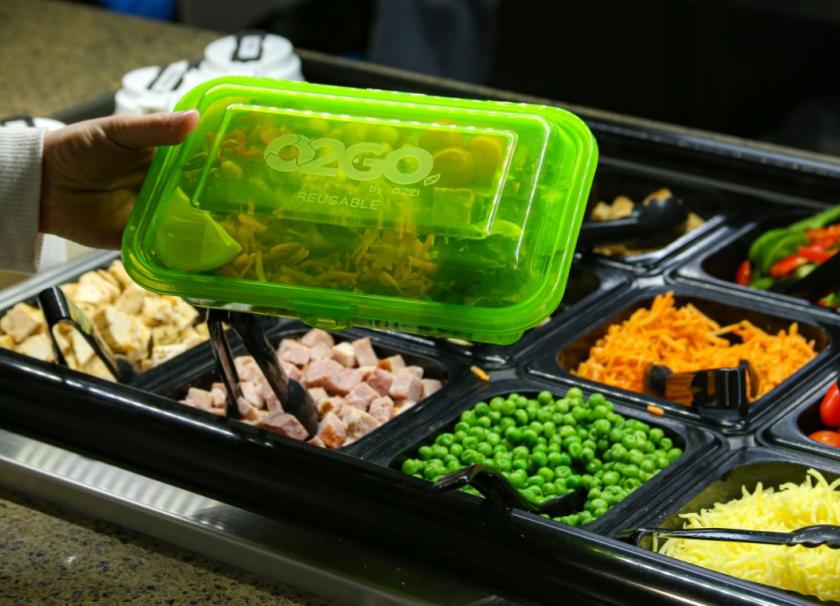
Sustainability Update: Building on a Strong Foundation
Sustainability Update
Our team has been working on many different projects throughout the year, taking great steps to fulfill our four sustainability goals. Our four goals to achieve by 2030 are: carbon neutrality, zero waste, eliminating toxic chemicals, and being a leader in our sustainable community. We look forward to our sustainable success in the upcoming decade!

2020: A vision for the future through Co-ops and local food
As the 2010s come to a close, the “20/20” eyesight analogy couldn’t be more appropriate for the new decade. With our eye on the future, there’s clearly a sense of urgency and awareness of the unique times we’re living in: a changing climate, increases in costs of living, and the shared pressures of a globalized world.
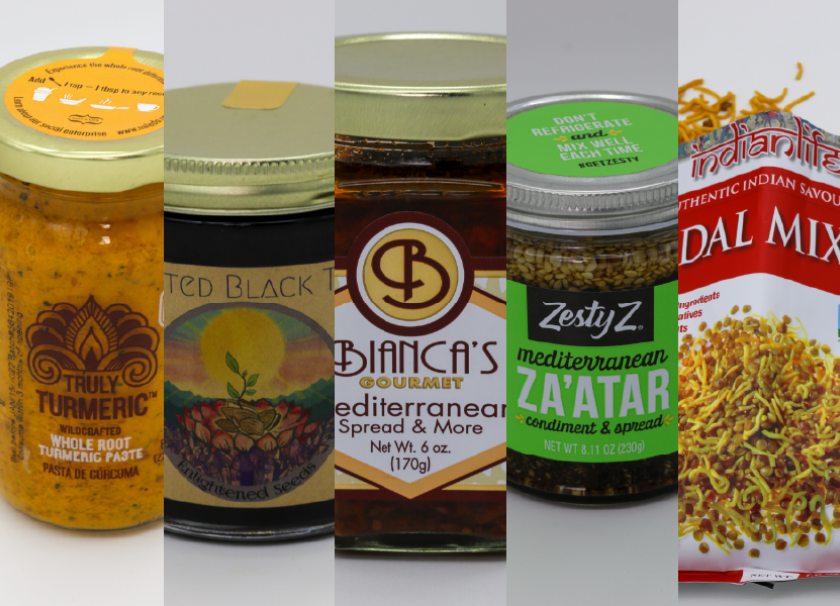
5 Items to Try: Spreads, Condiments & Snacks
It's fun trying new things! Here are five items you can find at the Co-op with a distinctly international flavor. Whether you're spreading them on some bread or naan, mixing up a salad dressing, or just want something salty and crunchy to snack on, try these out next time you want to elevate your dishes.
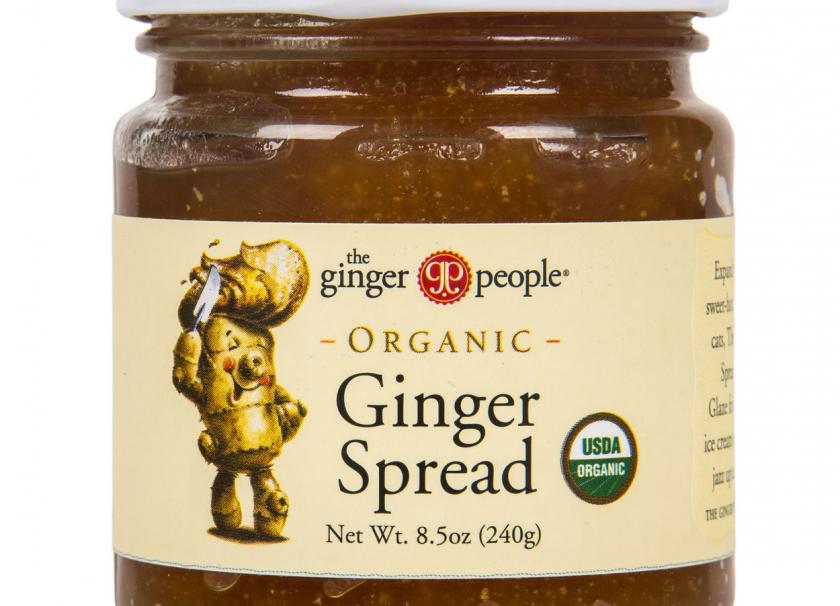
10 Ways to Enjoy: Ginger Spread
Sometimes you might come across a product at the Co-op and ask, "That looks good, but how in the heck can I use it in my cooking?" To answer that question, we picked this Ginger Spread made by The Ginger People (famous for their Gin-Gin candies). Grab a jar and try some of these unique applications in your own kitchen - or get inspired to utilize it in another way.
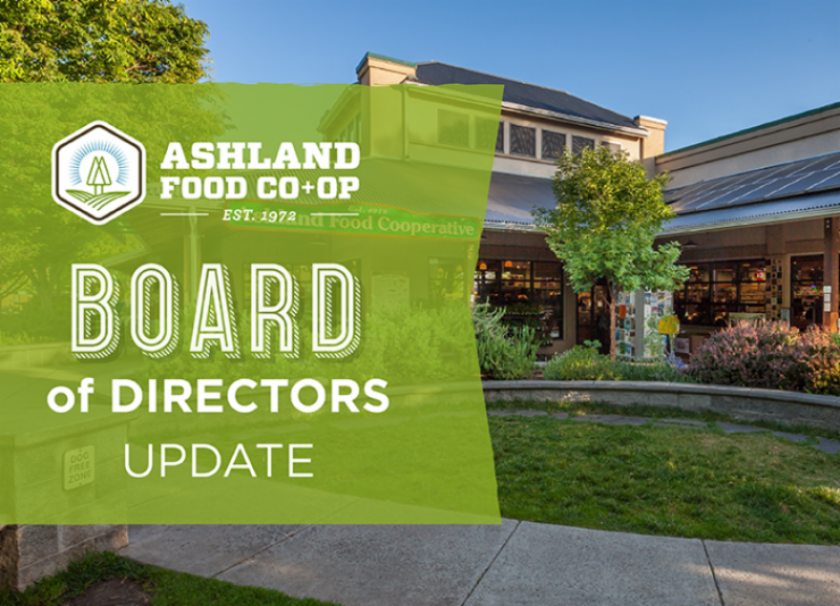
Meet Your Board: Melina Barker
Hello, Co-op members! My name is Melina Barker, and I joined the AFC Board of Directors this July. Since then, I have been busy learning about all the work the previous members have done to craft strategic goals to support the success of the AFC.
.JPG)
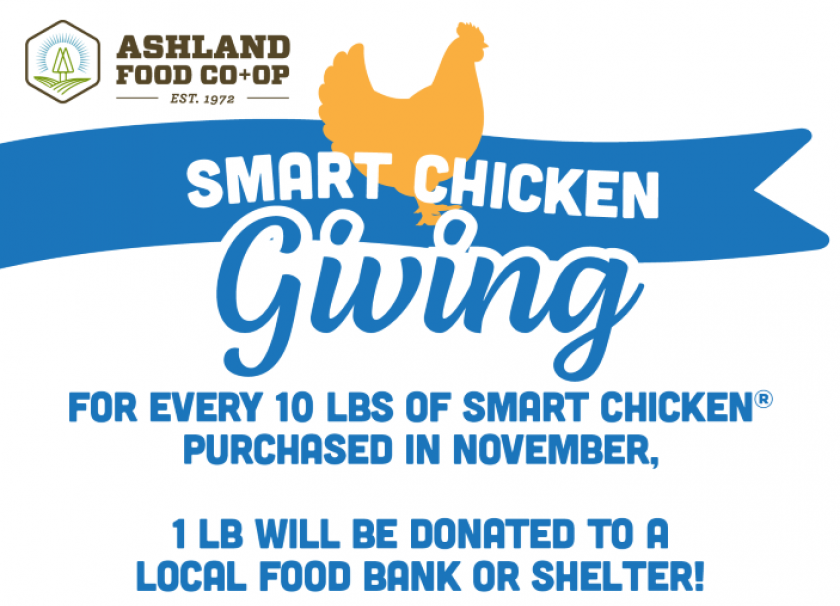
Smart Chicken® Holiday Giving in 2019
During the month of November, Co-op shoppers can nourish their own families and help fight hunger in the Rogue Valley.
Over the years, Smart Chicken® and Ashland Food Co-op have teamed up to donate thousands of pounds of chicken to ACCESS. Smart Chicken® will once again donate Smart Chicken® products based on the total volume that shoppers purchase at Ashland Food Co-op to ACCESS.
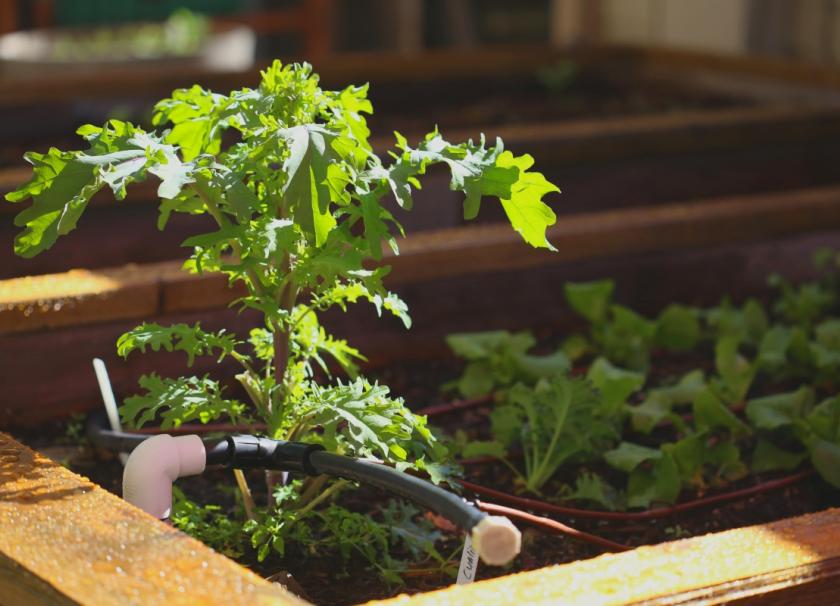
Henry in the Garden: Already Preparing for the Spring
The bane of all gardeners is powdery mildew - that white substance that collects both on the tops and bottoms of the leaves of your healthiest vegetable plants. Cucumbers and zucchini seem to be more easily affected by this scourge than many others.

GM Report: Gratitude for a Great 2019 at the Co-op
It’s the season of gratitude and reflection on the year that has passed, and there is so much to be thankful for as a Co-op owner.
2019 started off with the news that over $13,000 in emergency donations had been raised from Co-op owners and shoppers for support and relief efforts after Paradise, CA was leveled by a wildfire. This outpouring of our support was critical in the months after the fire, after the news trucks had left and the work of rebuilding began. I know how grateful we all are for the much calmer smoke season that our region experienced this summer.
Rounding Up in October
Part of what makes co-ops unique are the guiding 7 Principles of Cooperation. One of the seven that is felt strongly in Ashland is "Concern for the community" - and that's why the Co-op is offering a new way to give back to our community for the month of October. When you pay at the register, you can round up your total to the nearest dollar. For example, $11.68 becomes $12, and $0.32 is donated.

Win 2 tickets to "Chicken Done Simply" cooking class
Find out how fun and educational Co-op cooking classes are! Sign up below for the chance to win two free seats (for you and a friend or loved one) at the next class, "Chicken Done Simply" with the Co-op's own Michelle Guerrie.

Fall Staff Picks
Thanks to alpine trails and shaded valley creeks, outdoor recreation is year-round in the Rogue Valley. But fall usually makes for more frisky feet, so we asked Co-op employees for their favorite fall activities and recommendations for what they grab before they head out.

Applegate products joining Co-op Basics
Just in time for the school year, Applegate products are being added to the Co-op Basics program! The Co-op carries a variety of Applegate products, like sliced deli meat, cheeses, bacon, and sausages. Now as part of the Co-op Basics program, you’ll be saving up to $2 on Applegate products across the store, every day.

2019 Farm Tour Recap
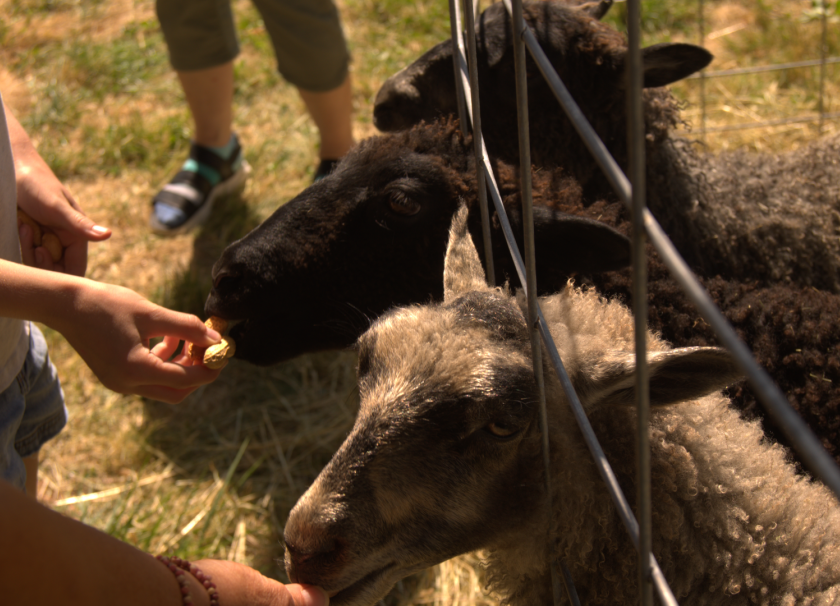
Another successful farm tour is in the books! With 30 farms this year, visitors could see how bigger farms work, like Herb Pharm, Fry Family Farm, and Rogue Creamery, while also experiencing the joys of smaller farms, such as Turning Point Farm, Fox Run Farm, and Daily Blessing Farm.
.JPG)
Visitors of all ages enjoying Goodwin Creek Gardens
AFC Celebrates 20 Years with Magnolia Farms
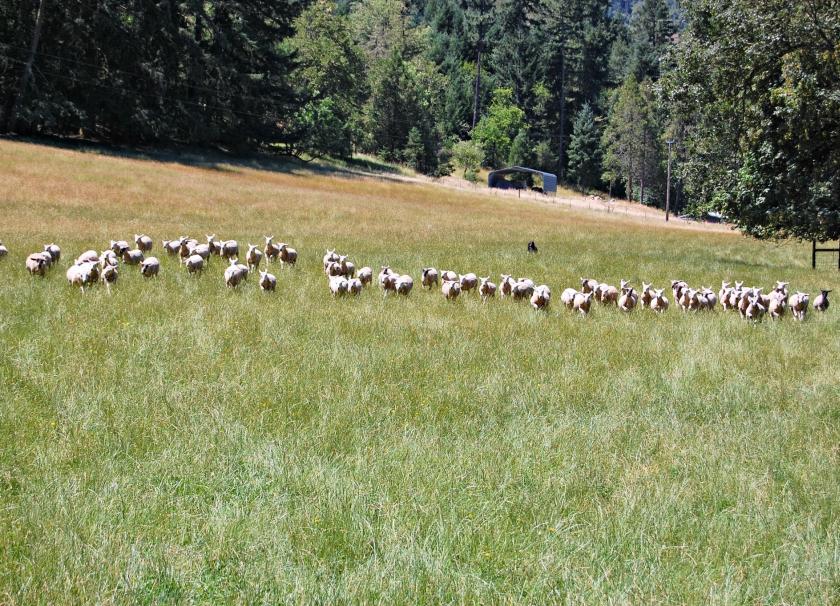
This year, the Ashland Food Co-op proudly celebrates their 20 year partnership with Magnolia Farms. Their pasture raised, no antibiotics, no hormones lamb is a staple in the Co-op Meat Department. Magnolia Farms is graciously donating the lamb for our August First Friday in celebration of our long standing partnership.
Compostable Bags
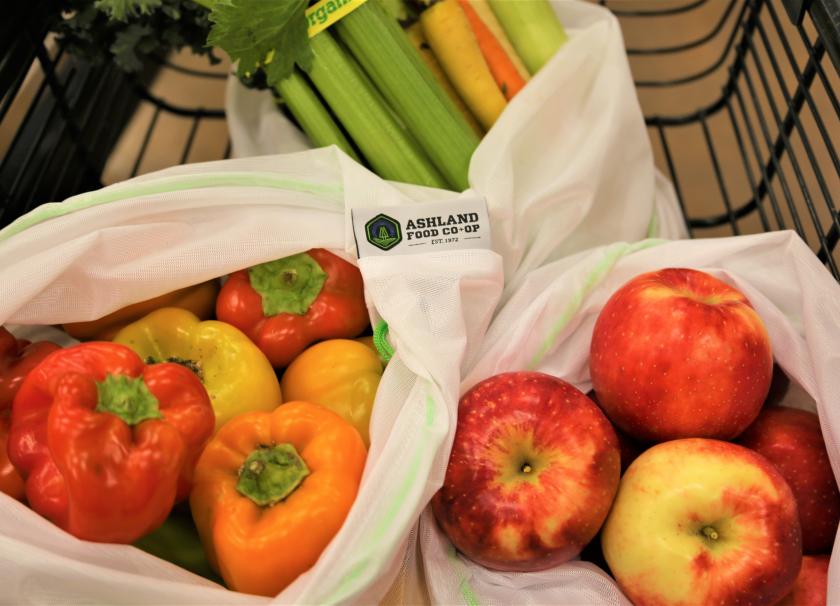
The Co-op has been asked if compostable plastic bags are a viable alternative to the standard plastic bags offered in the produce and meat departments.
For several reasons, compostable bags are not in line with the Co-op’s goals and standards.
Not compostable at home