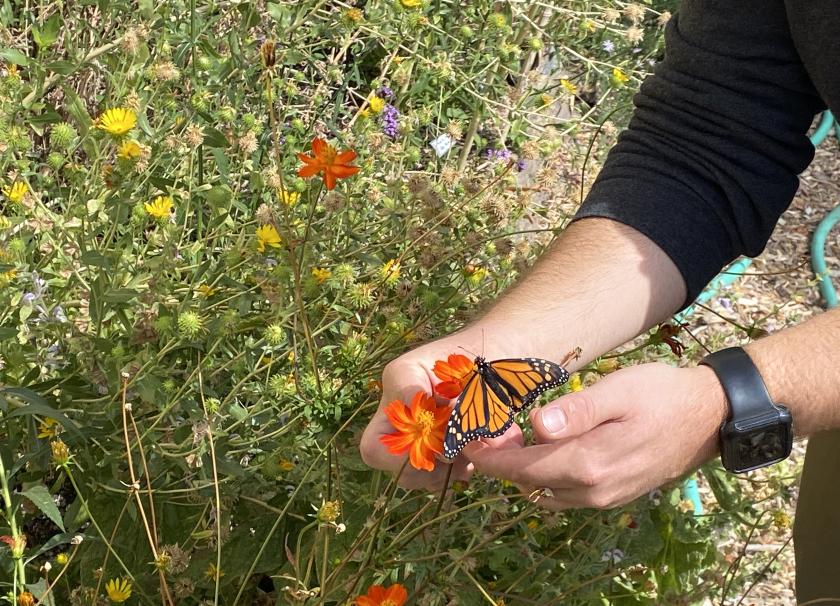
April 2023 Change for Good Partner: Pollinator Project Rogue Valley
From Kristina Lefever, Pollinator Project Rogue Valley President
We have a reason, a way, and yes, a hope, that we as humans will act to insure the long-term sustainability of this beautiful place where we live. We believe that gardens, specifically pollinator gardens, are even more important now, because they provide not only a much needed respite for the remaining populations of pollinator species, but also a place for them to live, survive, and thrive in an ever shrinking larger landscape. It is becoming more and more apparent that gardens, spaces and “landscapes” can no longer serve only the interest of “us” - in fact, we must think about how our outdoor spaces can serve other creatures who live here, too, before it's too late.
Join us on our journey of discovery, beauty, and creation - how can planting native in our gardens and landscapes help restore our local ecosystem? There are many resources to inspire you to learn more about why and how to grow a native pollinator garden, or at the least, to add natives to your space, and help serve our native pollinator populations and the ecosystems that they support. We like to think our Resources page is a good one to get you started!
How can folks bring in more pollinators?
It’s simple. A pollinator-friendly landscape provides:
1. Forage - Trees, shrubs, flowering plants, and native grasses that provide pollen and nectar from early spring to early winter, and/or are “host plants” for caterpillars (baby butterflies) to eat.
2. Water and/or mud - River, spring, seep, or stream, or shallow, pebble lined dish, bird bath or other water feature
3. Habitat - Untended or wild areas with bare soil, shrubs and native plantings for nesting and overwintering of bees, butterflies, and other pollinators
4. Pesticide Free Areas - Seeds and plants not treated with neonicotinoids, and minimal to no use of herbicides, insecticides, and fungicides.
How can people get involved?
Help us Bring Back the Pollinators!
- Take a self-guided tour of our demonstration native plant garden with our Native Pollinator Garden Plant Guide and videos!
- Invite Pollinator Pals to your school, youth program, business or event!
- Learn about and GROW the native plants that best support our native pollinators!
- Contribute to help us create educational programs, videos, and materials about native plants and pollinators!
- Request PPRV to be a guest speaker for your group or at your event!
- Support our efforts to install pollinator gardens of native plants in fire-impacted communities!
- Follow us on social media!
- Volunteer with us! We are especially seeking volunteers with videography, graphic design, and social media experience, as well as general administrative help.
The more you know... visit the Pollinator Project Rogue Valley's website to learn more!
More Co-op News
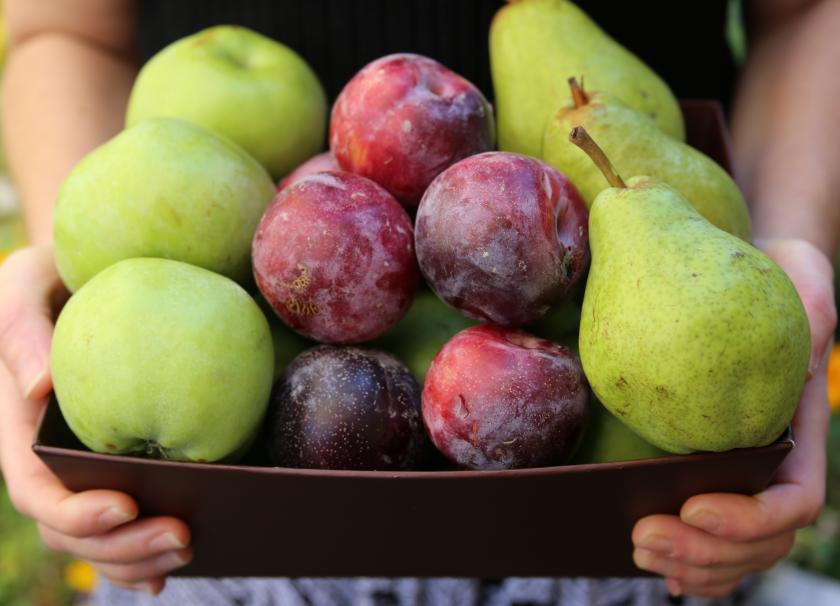
Wanted: Wormy Apples, Fallen Plums & Over Ripe Pears
Urban fruit is copious this time of year in the Rogue Valley. It’s hard, dare we say impossible, to make enough pies, cobblers, and salads to keep up with the backyard abundance.
So what do you do with all that unpicked fruit?
Instead of letting your pears, plums and apples go to waste, or to feed the deer, bring them to the Co-op for collection.
Apple Outlaw Cider, in collaboration with the local community, is setting out to create a one of a kind hard cider, dubbed “Apple Outlaw Community Cider”.
Fire Up The Grill
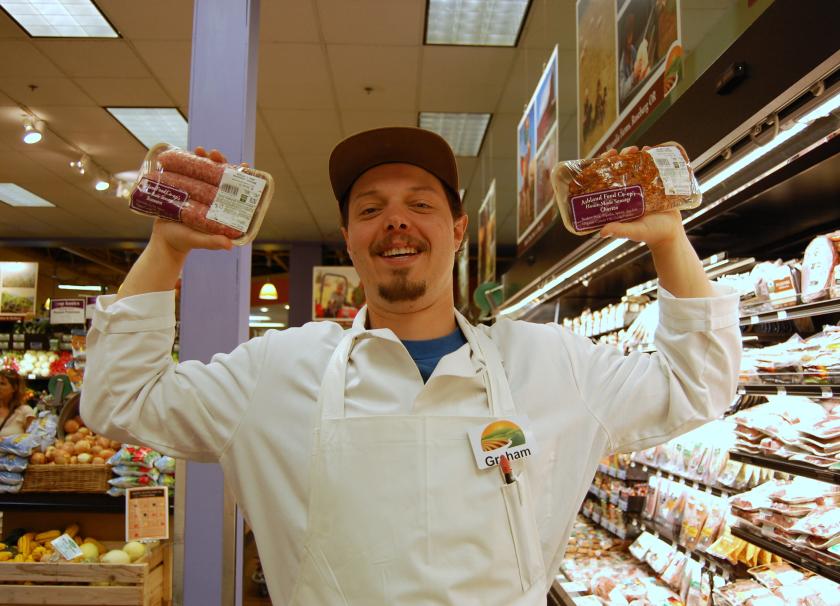
Break out of your dinner rut with something fast and juicy. The Meat Department staff share their go-to favorites to throw on the grill. Flame on, baby!
Brian Swift
Flat Iron is my favorite steak. So simple to cook. Just add salt, pepper, garlic, and cook it on a super hot grill. 5 minutes later you have an amazing steak.
Sam Roberts
TriTip marinated in our Kinders barbeque sauce, seared on both sides with a little pink in the middle, is what I really enjoy the most.
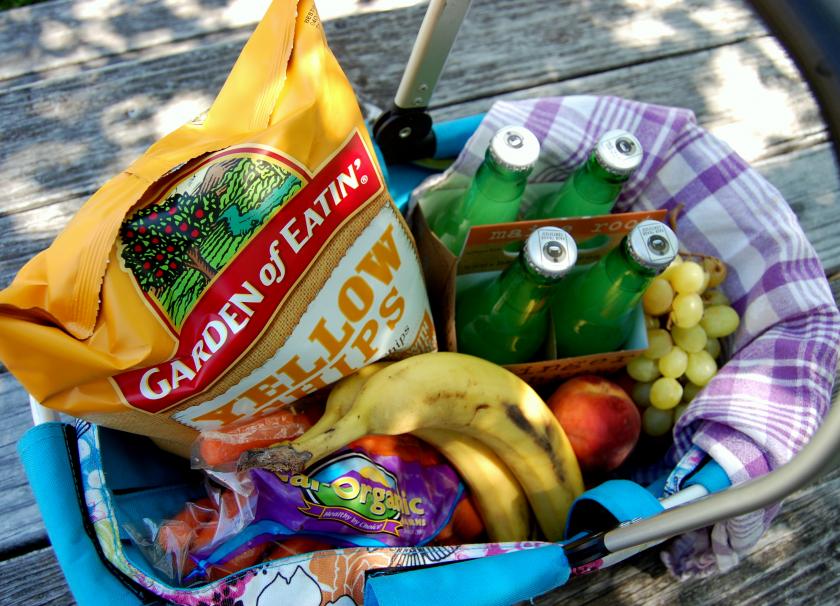
Summer Picnic Guide
Everyone loves a picnic. But some are better at organizing one than others. Make planning the perfect picnic a breeze with our easy picnic guide.

A Party for YOU
Each year we hold an Annual Meeting and Owner Picnic. This is our chance to catch up over a delightful picnic and most importantly update you on the recent year’s events and financials.
This year, we are changing things up a bit. The Annual Meeting and Owner Picnic will be more family friendly than ever before. We have a new menu designed to appeal to busy little (and big!) hands so you and your kiddos have time to enjoy one of our many family friendly activities.
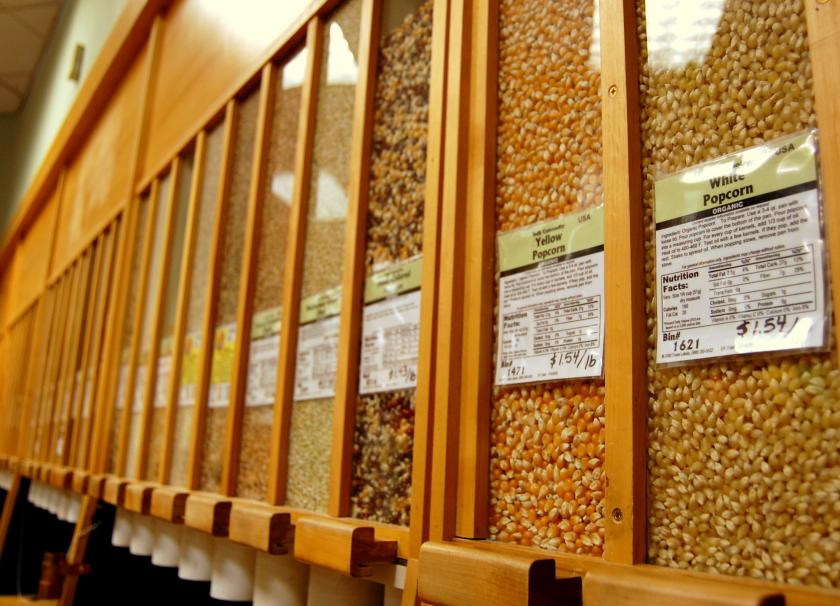
6 Reasons to Buy in Bulk
Bulk bins have been a staple at the Ashland Food Co-op since we opened our doors in 1972. For good reason too, buying in bulk is better. Better for your pocket book, better for the environment, and better for your belly. Here’s why.
6 Reasons to Buy in Bulk
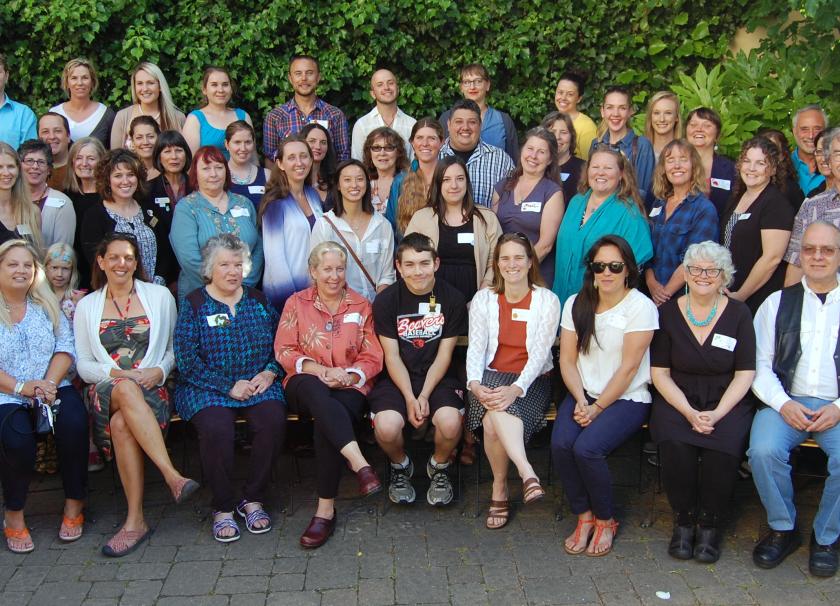
Co-op + Community = A Perfect Match
At the Co-op, we are all about community. After all, YOU are why we are here and providing healthy, organic food to the Rogue Valley.
As a cooperative enterprise, there are seven principles we follow. We use them as guidlines to put our values into practice. Principle 7, Concern for Community, affords us the opportunity to give back to local nonprofits that do so much good in this beautiful place we call home.
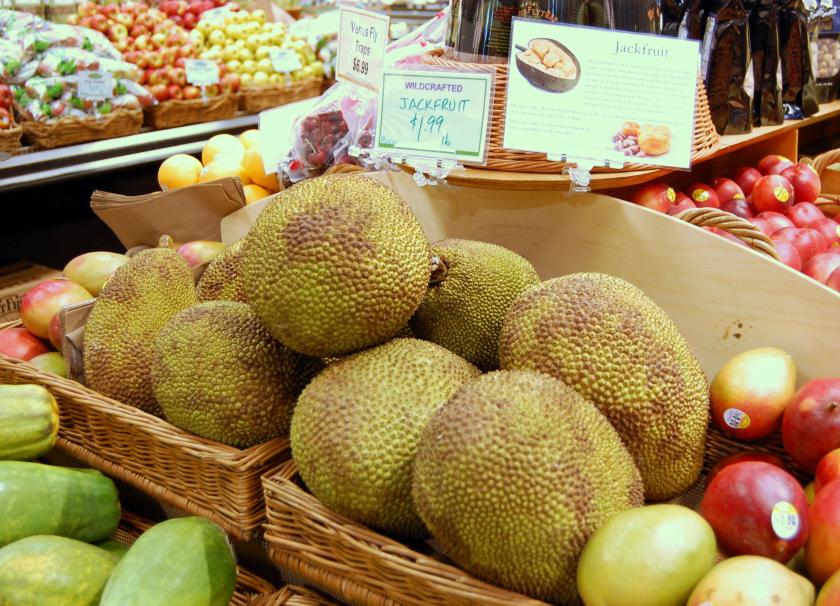
Jackfruit 101
You might have noticed a rather large, prickly fruit hanging out next to the apples, oranges, and papayas in the Produce Department. Meet the Jackfruit, the newest addition to the Produce Department. In case you don't know "jack" about Jackfruit, here is a crash course.
- The Jackfruit is native to South and Southeast Asia and is a close cousin of the fig.
-
The Co-op sources the fruit from Patagonia Orchards. Their fruit is grown in the tropical rainforest of Nayarit, Mexico.
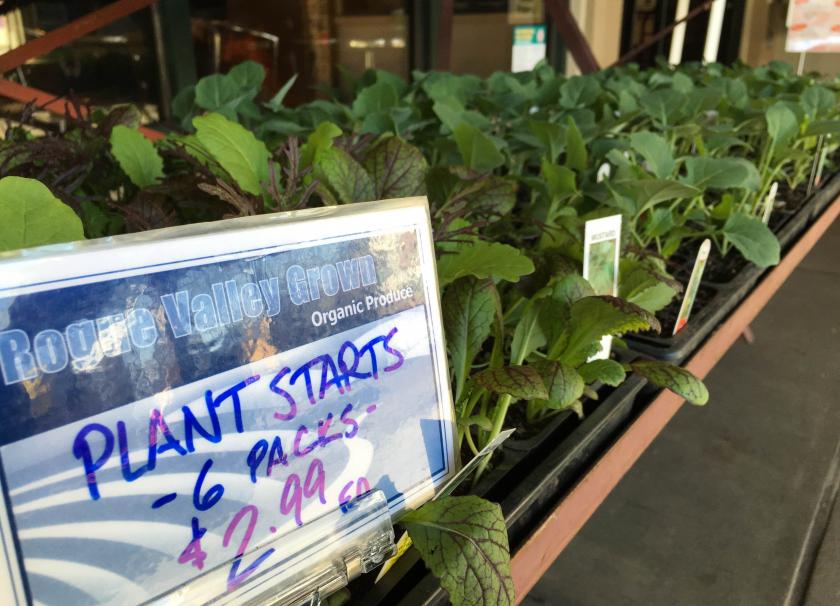
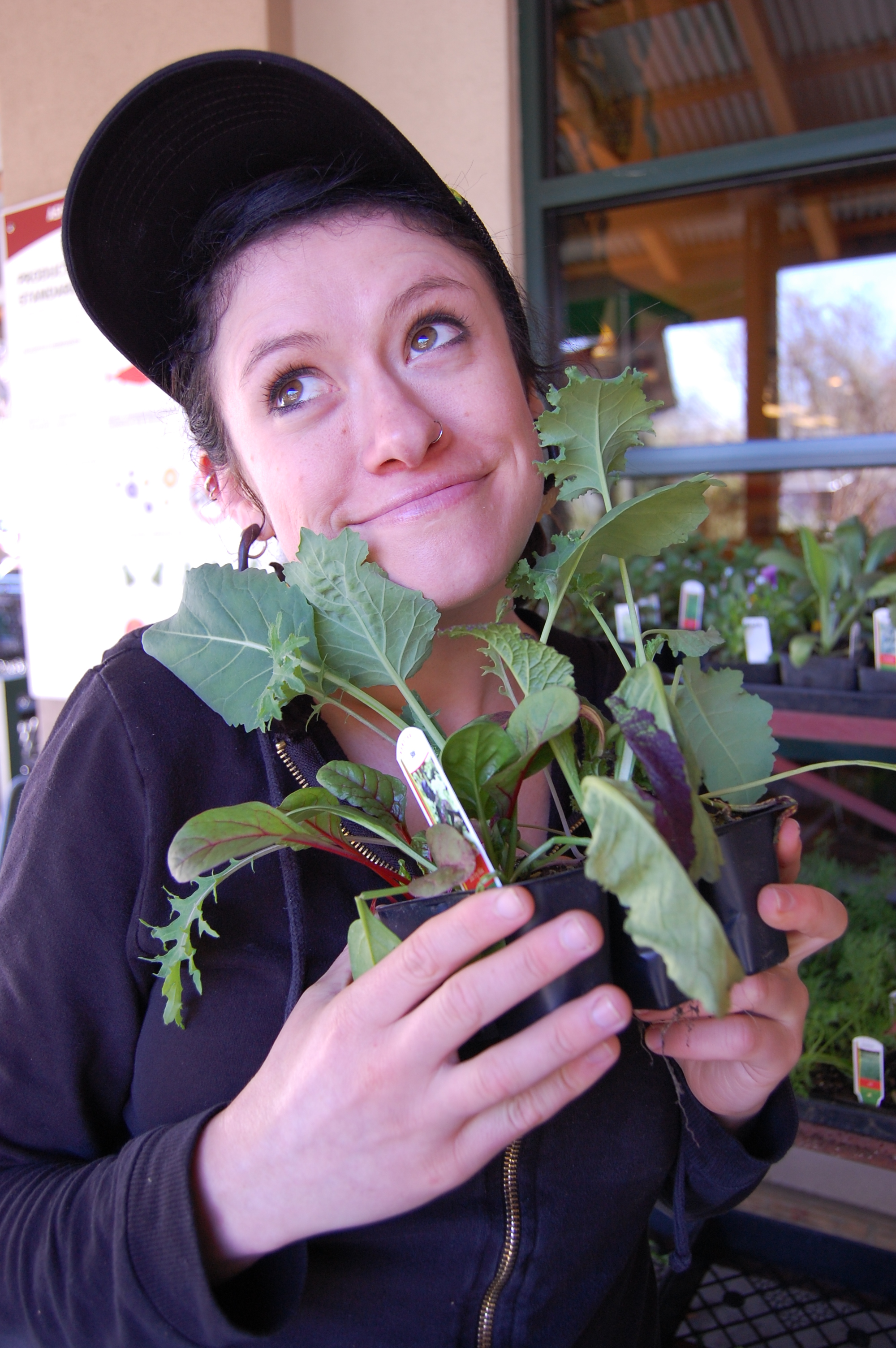
Get Your Garden On
This is one of our favorite times of the year. The sun is out and the days are longer, time to play in the dirt. Our Produce Staff share their favorite seeds and starts to help you get your garden going.
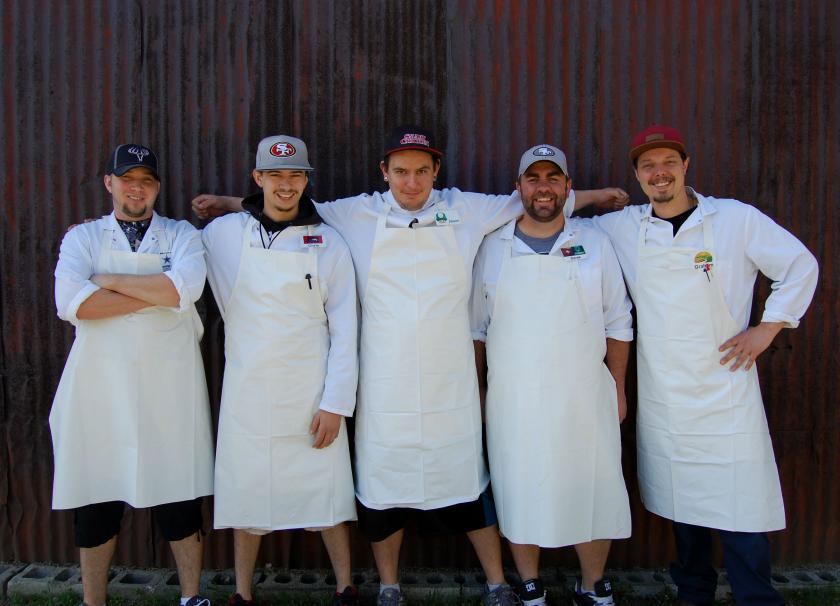
Meet the Meat Department
Welcome back to our Behind the Scenes blog series. So far you’ve meet the dynamic Produce and Deli teams. Next up, the department that is packed with protein, meet the Meat Department.
Did you know?
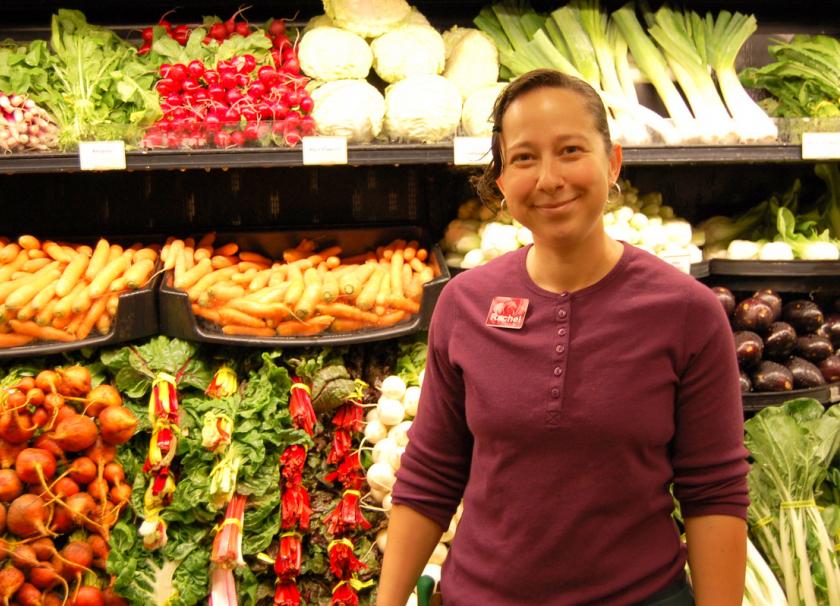
Rachel's Spring Produce Picks
Rachel Rose, Assistant Produce Manager, shares her spring produce picks.
Strawberries
Most people are surprised to know that early spring are two of the best months out of the year for tasty strawberries. The first batch out of California is usually so sweet and full of flavor that the rest of the year I often shy away from strawberries. They just don’t measure up to the fruit coming out early in the year.
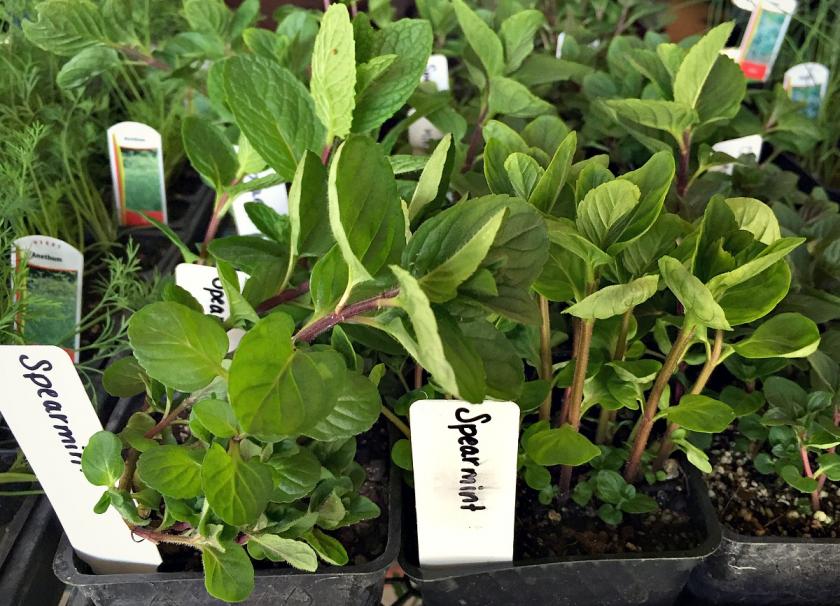
5 Edible Plants to Start in Your Garden Now
Spring is most definitely upon us, and we are lucky enough to live in Southern Oregon where the weather during this time is usually (ahem) co-operative enough to let us get some plants in the ground in between the hail storms and rainbows. There are actually many plants that do quite well in this time of transition, as they prefer the cooler temperatures that we get here this time of year, before the real heat sets in. Here are a few that we have right now at the Co-op, direct from local, organic farms. Plant these in your garden now for best results!
UPDATED Organic Raw Macadamia Nuts Recalled Because of Possible Health Risk
UPDATED 3/17/16
Ashland Food Co-Op of Ashland, Oregon issues the updated press release to clarify that we re-packed and sold Organic Raw Macadamia nuts in random weight bags at our retail store in Oregon only between January 5th, 2016 and February 4th, 2016. We do not have any internet sale or distribute affected product outside Oregon.
Garden of Life Raw Meal Recall
Garden of Life has issued a voluntary recall on all Raw Meal products shipped after August 15, 2015.
Please see the below link to Garden of Life’s blog for all lot numbers that they are recalling, as well as details of the recall.
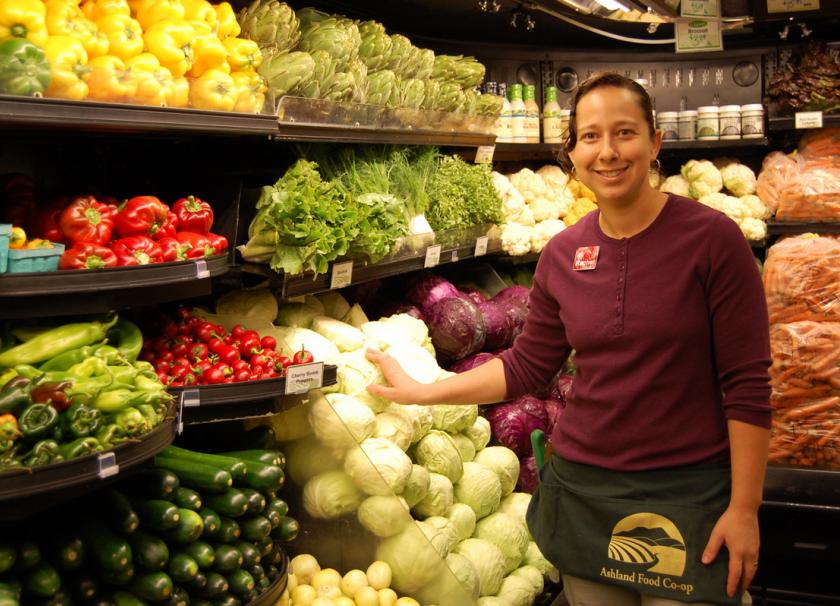
Let Thy Food Be Thy Medicine
Rachel Rose, Assistant Produce Manager, shares her winter produce picks.
The cells in our bodies are all made using the building blocks that we provide in the food that we eat, the air that we breathe and the water we drink. If we want healthy bodies, feeding ourselves and our families the cleanest healthiest foods is a real good start. We are what we eat!
Burdock root
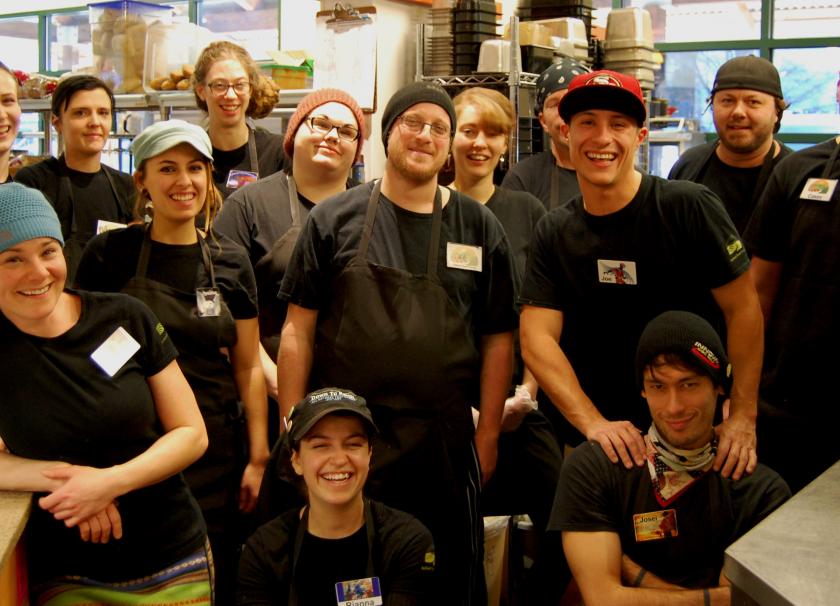
Behind the Scenes: The Deli
Welcome back to our Behind the Scenes blog series. We recently took you into the colorful world of Produce. Now we’d like to introduce you to the department that enters beast mode daily: the Deli.
Did you know?