Meet our May Change for Good Recipient
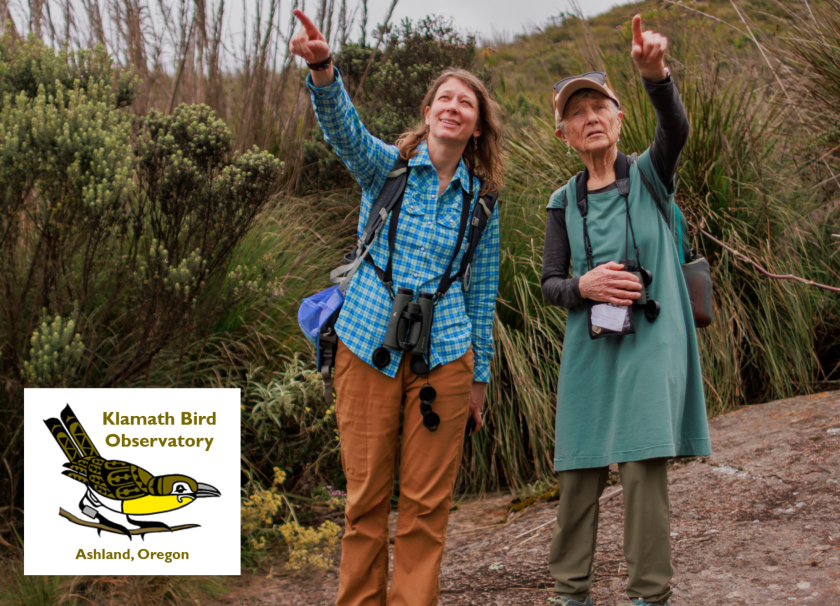
The Klamath Bird Observatory is focused on bird conservation and environmental education through ornithological practices. Emphasizing high-caliber science and the role of birds as indicators, KBO informs and improves natural resource management. Recognizing that conservation occurs across many fronts. The organization also aims to nurture an environmental ethic through community outreach and education.
"We owe our success to committed donors, volunteers, staff, and partners who demonstrate that each of us can contribute to a legacy of abundant bird populations and healthy land, air, and water." (KBO)
The Klamath Bird Observatory models conservation through three effects:
1. Long-Term Monitoring which provides information about changes in bird populations.
2. In-depth theoretical research that advances our understanding of distribution and movements.
3. Applied ecology that addresses natural resource management challenges.
This conservation science is then utilized and applied at local, regional, and even international scales:
1. Ongoing science programs inform conservation planning in the beautifully rugged and wildlife-rich Klamath-Siskiyou Bioregion of northern California and southern Oregon.
2. Avian Knowledge Northwest, KBO's interactive data center and decision support system, provides scientific resources across the Pacific Northwest.
3. Professional education and international capacity building expands our influence hemispherically with partner-driven programs that protect birds throughout their breeding, migrating, and wintering seasons.
This organization is no doubt a strong pillar in our community, ensuring even the smallest of organisms and beings are taken care of. Working within the North American Bird Conservation Initiative, Partners in Flight, and other collaborations, Klamath Bird Observatory takes a lead role in developing strategic bird and habitat conservation plans and other technical publications.
These plans are designed to (1) stimulate and support a proactive approach to conservation and offer recommendations for planning efforts and habitat management actions, (2) direct cost-effective expenditures of government and non-government organizations, and (3) stimulate monitoring and research to support conservation.
The plans’ recommendations serve as the biological foundation for developing and implementing conservation strategies for multiple bird species at multiple geographic scales.
For more information, visit www.klamathbird.org
More Co-op News
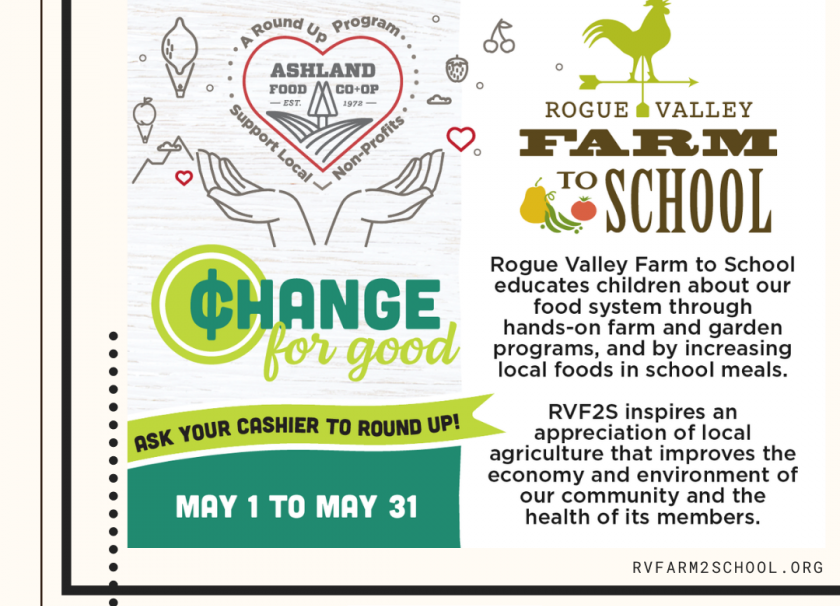
May Change for Good Recipient: Rogue Valley Farm to School
May's Change for Good Recipient is
Rogue Valley Farm to School educates children about our food system through hands-on farm and garden programs, and by increasing local foods in school meals.
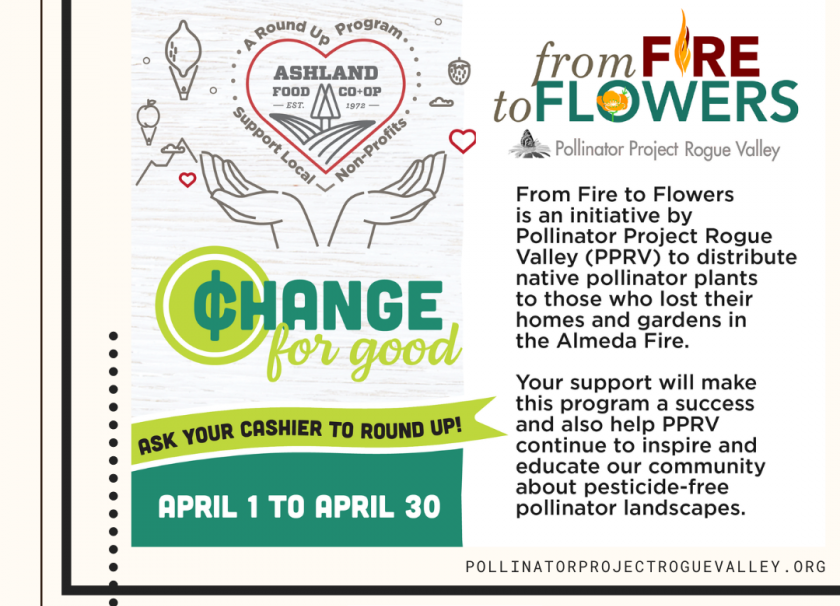
April Change for Good Recipient: Pollinator Project Rogue Valley
April's Change for Good Recipient is
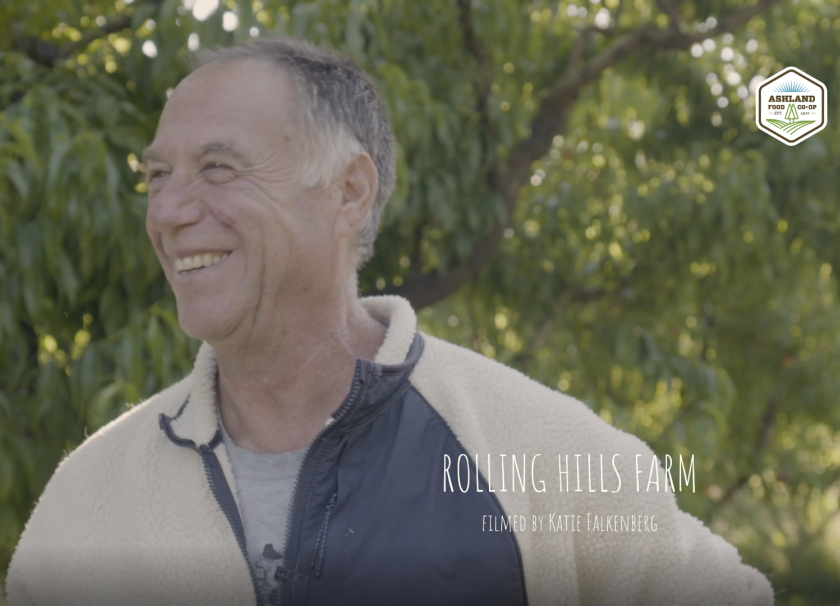
A Visit with Rolling Hills
Visit Rolling Hills Farm and learn more about owner Dave Belzberg, who the Ashland Food Co-op is so honored to partner with for more than thirty five years.
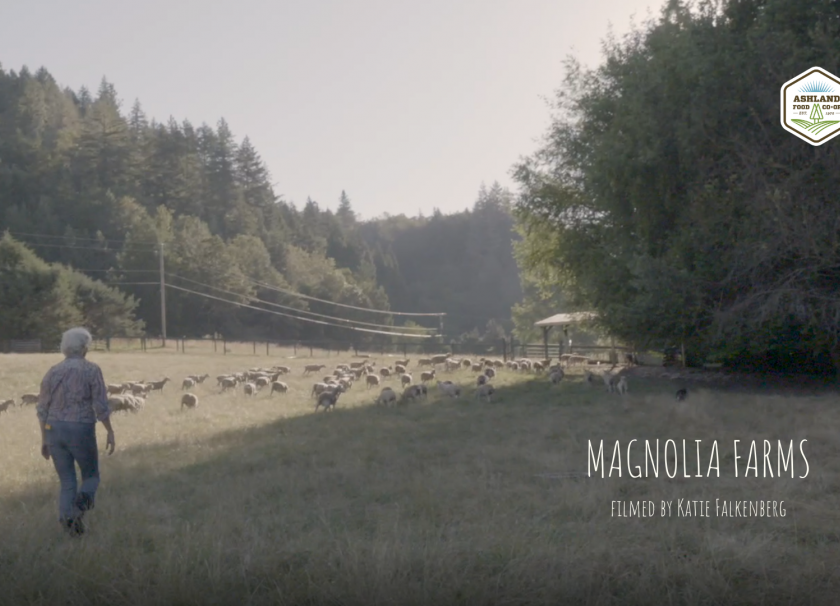
A Visit with Magnolia Farms
Visit Magnolia Farms and learn more about owner Elissa Thau, who the Ashland Food Co-op is so honored to partner with for more than twenty years.
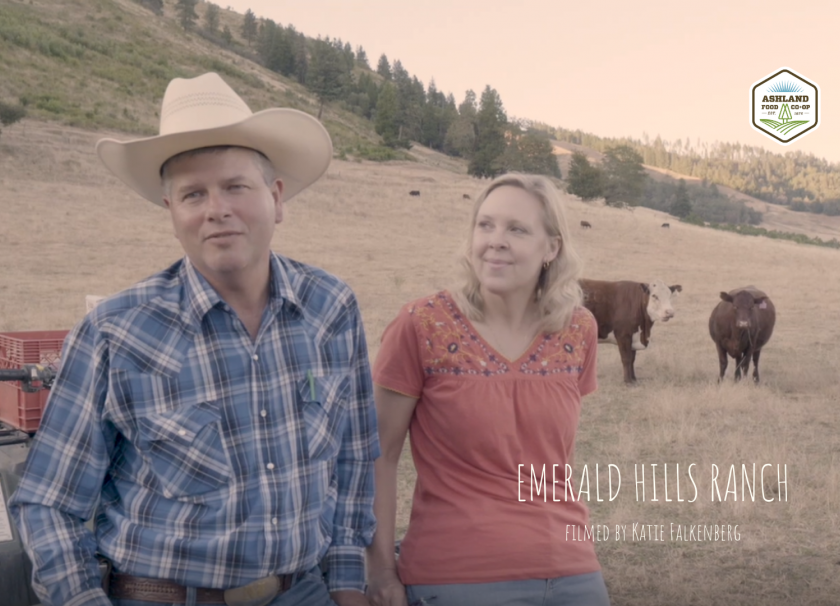
A Visit with Emerald Hills
Visit the Emerald Hills Ranch and learn more about this fourth generation ranching family that the Ashland Food Co-op is so proud to partner with for more than twenty years.
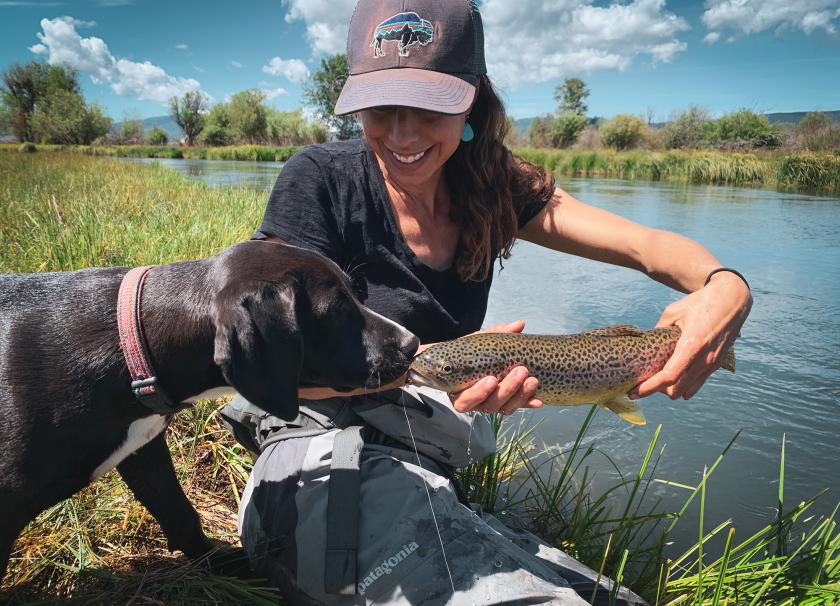
A Conversation with Katie Falkenberg, Photographer and Filmmaker
Katie Falkenberg's photography and filmmaking has taken her all over the world, and lucky for us - she's been calling the Rogue Valley home for a couple years now. Exquisitely and harmoniously capturing the world around her, she is documenting not only through the lens but also through her peaceful and loving spirit. Katie reached out to us in hopes of collaborating after falling in love with the co-op soon after moving here.
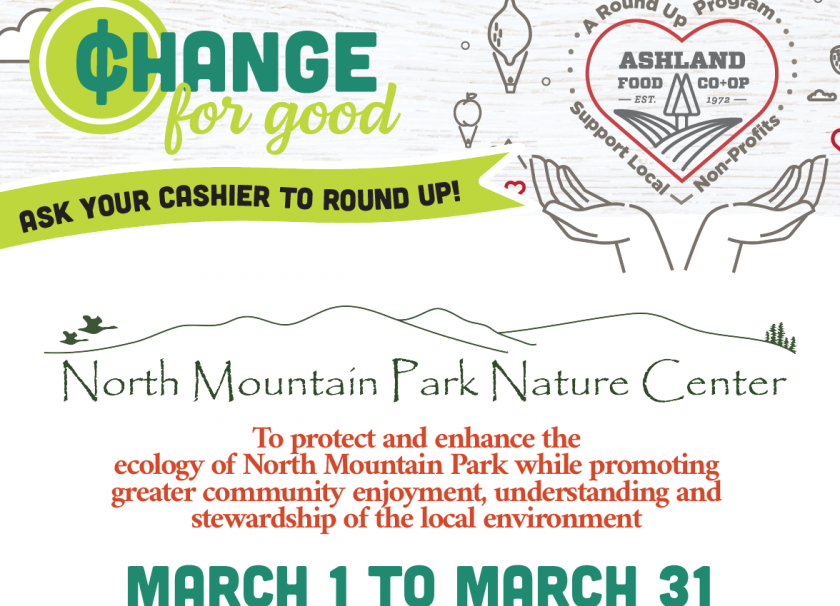
March Change for Good Recipient: North Mountain Park Nature Center
March's Change for Good Recipient is
North Mountain Park Nature Center,
a division of Ashland Parks and Recreation, that encompasses demonstration gardens, a nature playground, and approximately 14 acres of Natural Area that is managed for wildlife preservation and public education.
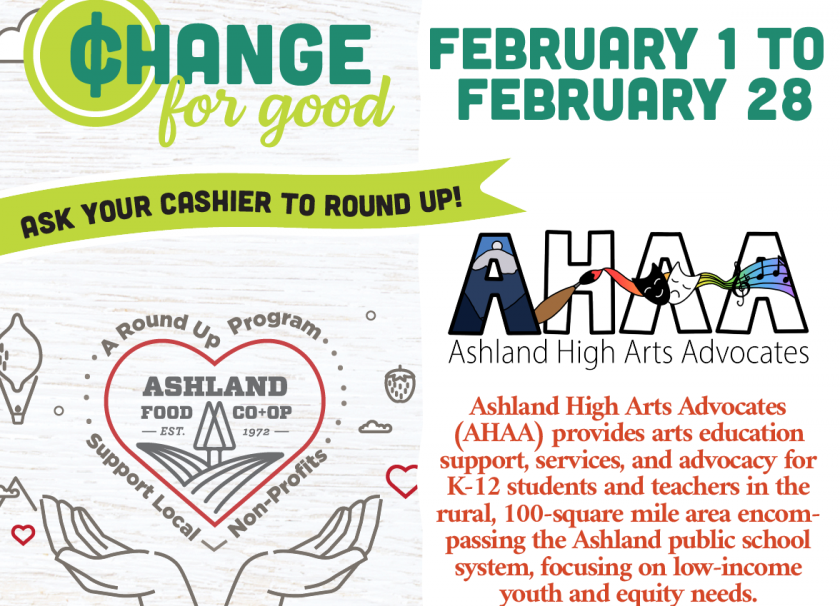
February Change for Good Recipient: Ashland High Arts Advocates
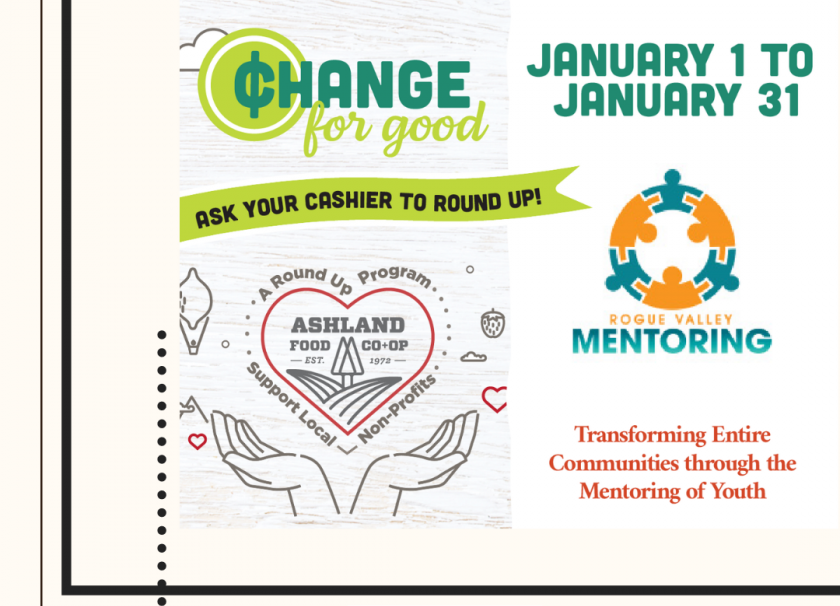
January Change for Good Recipient: Rogue Valley Mentoring
Since 2005, Rogue Valley Mentoring (formerly the Rose Circle Mentoring Network) has trained over 500 adults who have mentored over 2,000 youth in our valley; letting young people know that they are not alone. A caring and compassionate ear shows them that they matter, and they they are experts of their own experience.
Coronavirus Preparedness at the Co-op
Update as of March 15th, 2022: Oregon Health Authority no longer requires face coverings to be worn in all public indoor settings.

Shopping Safely & Efficiently
As coronavirus cases increase in Jackson County, the Co-op is taking extra precautions to protect shoppers and employees.
To ensure social distancing in the store, the number of persons allowed in the store at once has been reduced to 50% capacity. Understandably, this may lead to a short wait outside of the store, but please be assured the line moves quickly.
In order to keep the wait as short as possible, here are a few steps you can take to help out:

10 Ways to Shine Your Light in Dark Times
By Allan Weisbard L.C.S.W.
Since 1963, autumn has been a difficult time for me. Two months shy of my 13th birthday I lost my younger brother to cancer, then shortly afterwards, President Kennedy was assassinated.
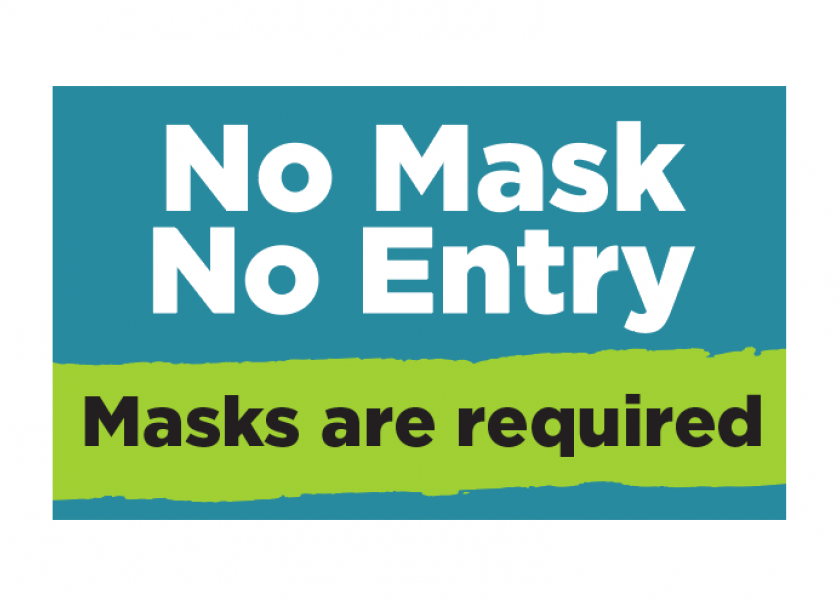
Masks Required for All In-Store Shoppers
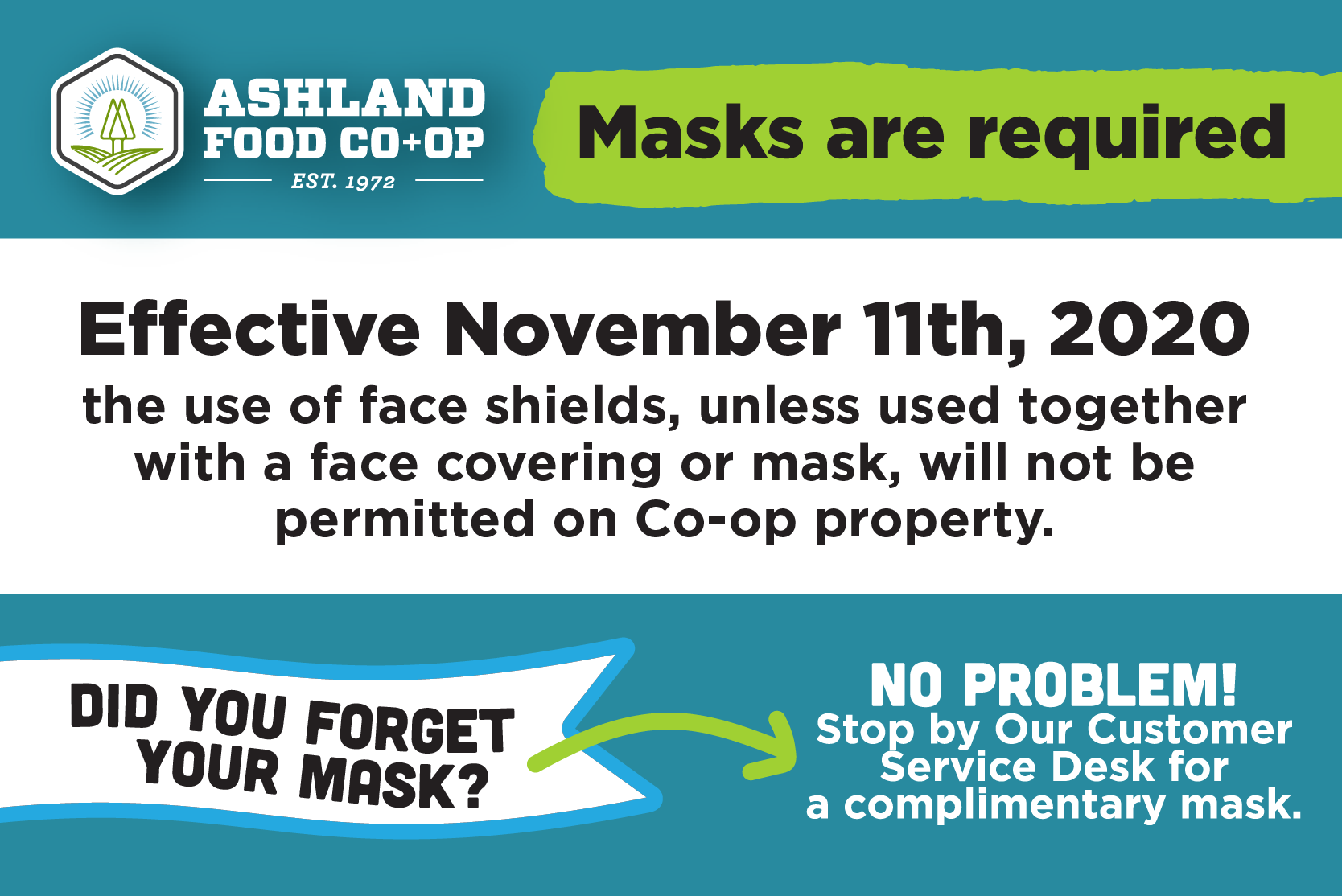
To protect the health of Co-op staff and shoppers, all shoppers and other visitors on Ashland Food Co-op property must wear face coverings over mouth and nose except when dining in an approved area. As of November 11, 2020, face shields will not be permitted unless worn with a mask.
From the Board: Co-ops Look in the Mirror
By Annie Hoy, Board Secretary and Chair of Owner Engagement Committee
Food Co-ops around the nation proudly display signage saying EVERYONE WELCOME. Or they use the slogan, “Anyone can shop. Anyone can join.” But are food co-ops, and other cooperative businesses, walking the walk?