Food waste at the Co-op
By Rianna Koppel, Sustainability Coordinator
How many times in the past month have you reached back in the fridge to snack on some fresh strawberries only to discover… mold?! In the United States, 40% of food is wasted every year. Luckily, how we address food waste can have a major impact. According to Paul Hawkin’s Drawdown, reducing food waste is #3 on the list of best ways to reduce carbon dioxide emissions. At the Co-op, we use the EPA’s Food Recovery Hierarchy as a guide to bettering our own practices.
Source Reduction and Reuse
Ever wonder what happens to a carton of eggs with a cracked bunch? At the Co-op, we reuse these eggs for your breakfast. Deli staff will sort and reuse peaches, strawberries, bananas, and more for bakery goods, smoothies, and cold bar desserts. Imperfect produce can be used for vegetable stock, hot bar meals, or the salad bar. Every day at 8 pm, the Deli hot bar price is reduced to $8.95 per lb to reduce waste.
Feed Hungry People
After resourcing useable food, staff glean the rest. There are several places behind the scenes for employees to discover their dinner. On a regular day, a Co-op employee could glean a few slightly bruised apples, a damaged can of garbanzo beans, a leaky carton of goat milk, and a piece of cornbread from the night before.
Additionally, at the end of every day except Christmas, the Co-op is visited by a special guest: the Ashland Food Angels. The Angels deliver food to the Ashland Emergency Food Bank, which provides emergency food supplies, without charge, to individuals and families in the Ashland/Talent area who would otherwise go hungry.
In total, throughout every year at the Co-op, about 22,000 lbs of healthy, edible food are diverted from the landfill and given to those in need.
Feed Animals
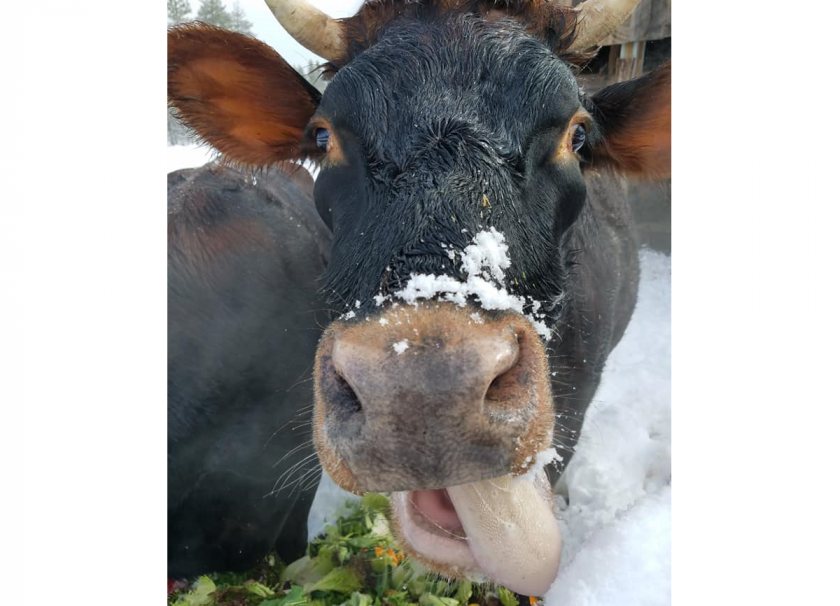
There is one more special guest that visits the Co-op every day - Crack o' Dawn Farm. They pick up several large barrels of food scraps to deliver as fodder for the animals. The scraps are given to goats, cows, and pigs. Deli and Produce staff collect these food scraps for the farm, making sure there are no rubber bands, paper wrapping, or metal twist ties that could injure the animals.
Composting
There are two things that goats and pigs can’t eat: coffee grounds and eggshells. These are the two main components for our compost stream. A local farmer picks up these barrels weekly to add to his compost pile.
Landfill
The last stop on our journey is the landfill. Right now, the Co-op diverts over 80% of our waste, which is a strong step towards our goal of being zero-waste.
Through our practices and commitment to zero waste, we can make an impact in our community. Every time you choose to eat at the Co-op, you are choosing to support local farmers, our staff, and families in need of fresh, healthy food in Ashland and Talent. Instead of food wasters, we can count ourselves as abundant food innovators.
More Co-op News
The Co-op is Certified Organic! What does that mean?
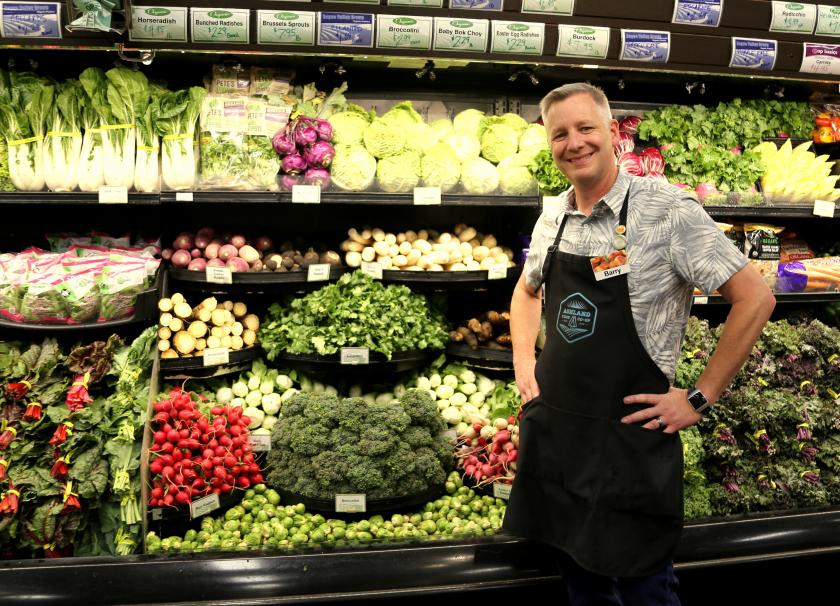
By Barry Haynes, Store Manager
Did you know that the Ashland Food Co-op is the only Certified Organic Retailer in southern Oregon. Well, that’s great! But what does that actually mean?
Love Local with the Local Guy
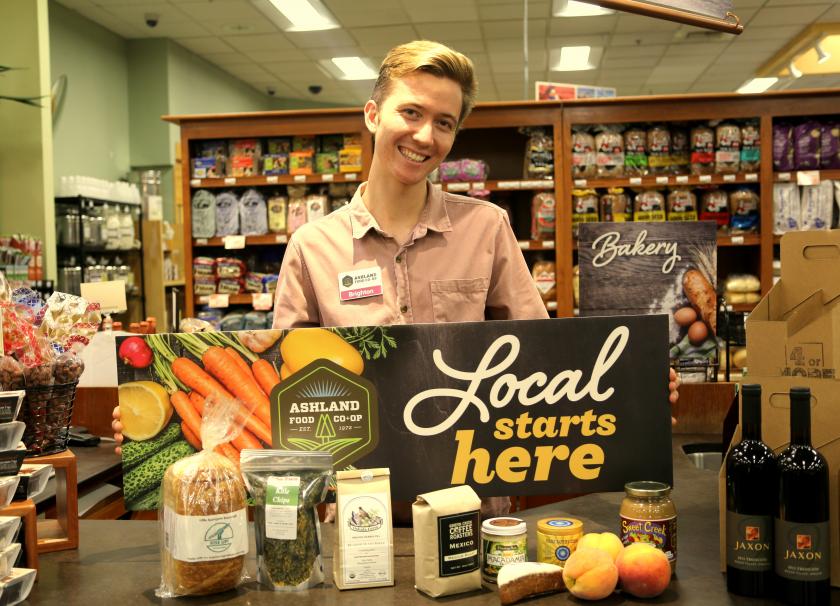
Throughout September, we will be celebrating all things local. And no one loves local or is more local than our Temporary Demo Coordinator, Brighton Litjens. He was basically raised at the Co-op, has a strong passion for local farmers and producers and loves delighting shoppers with delicious samples and great deals. Who better to tell us about loving local than the "Local Guy" himself?
Tell us a bit about yourself.
Owner Benefits: Independence and Connection
By Julie O'Dwyer, Board Secretary, Chair of the Owner Engagement Committee

Meet Board of Director Trine Ostergaard
Trine Ostergaard is a newly elected Ashland Food Co-op Board of Director. She brings a world, literally, of experience to the table and has a sincere passion and love for the Co-op. We are thrilled to have her aboard and asked her to answer a few questions.
Tell us a little bit about yourself.

Meet Board of Director Dean Williamson
Dean Williamson is a newly elected Ashland Food Co-op Board of Director. He brings to the table a plethora of co-op experience and a love of chocolate chip cookies. We are thrilled to have him aboard and asked him to answer a few questions.
Tell us a little bit about yourself.
Staff Picks: Favorite Local Products
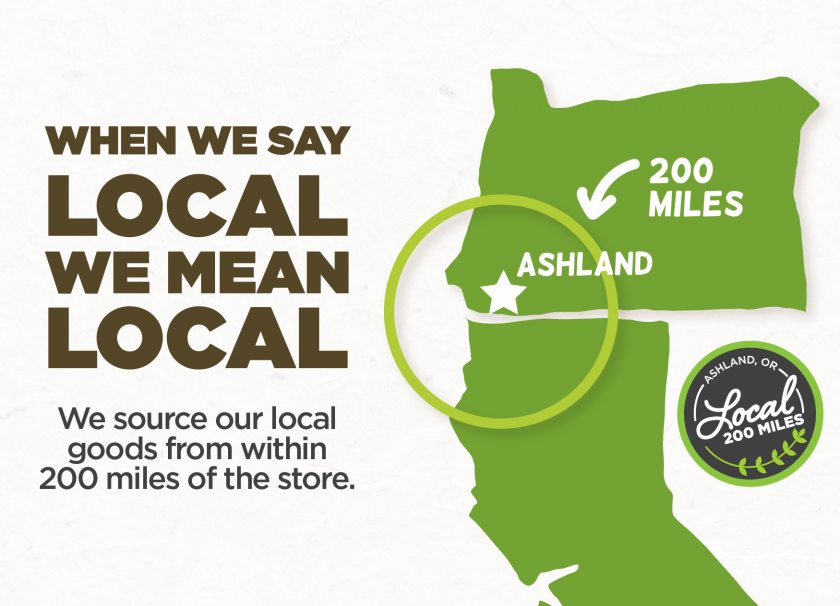
September is Love Local Month! All month long we’re celebrating our local farmers and vendors with demos, events and more. Here are some of our staff's favorite local products.
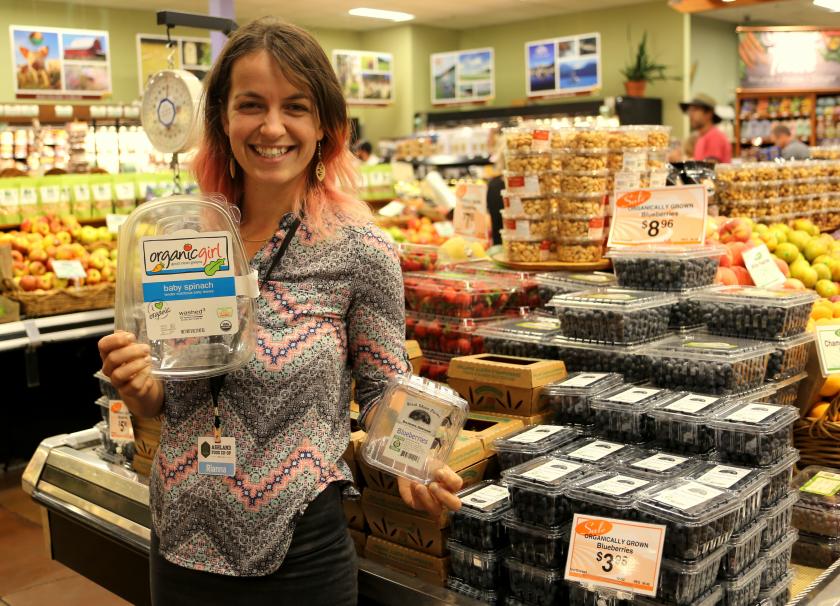
How Can I Reduce My Plastic Use at the Co-op?
By Rianna Koppel, Sustainability Coordinator
Plastic pollution today is a global dilemma. Did you know that more than 40% of plastic is used once, then tossed? In 2015, 79% of total plastic waste ended up in landfills or the environment. How can our co-op help reduce the amount of single-use plastics? Luckily, we offer a variety of options for owners.
Stainless Steel Straws

Meet Pachamama Coffee Cooperative
By Lauren Taber, Pachamama Coffee Cooperative
Pachamama Coffee Cooperative started in 2001 with a few simple questions in mind: what would it look like to take Fair Trade a step further? How can coffee farmers be in direct relationship with end consumers in the United States?
We found that the answer was even simpler: cooperative ownership. Pachamama Coffee has been 100% farmer-owned since day one, and is currently owned by 140,000 small scale family farmers across the coffee producing regions of the world.
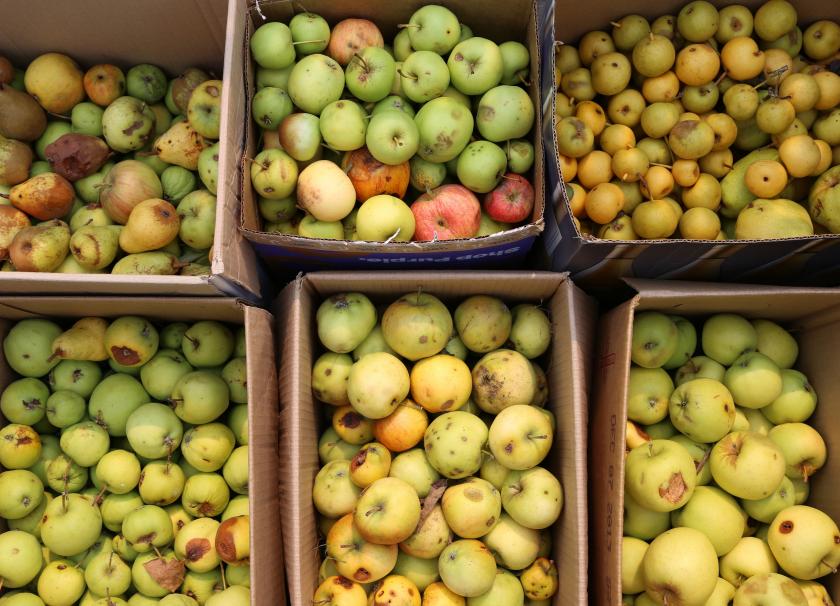
Community Cider Backyard Fruit Drive
How often can you browse the shelf at your neighborhood grocery store, see a bottle of hand crafted, local cider and say, “Hey, I help make that!” Well, at the Co-op you can.
2018 Board Election Results
The AFC Board of Directors is pleased to announce the results of the 2018 Board Election. There were three excellent candidates running for two Board positions. In total, 905 votes were cast.
Congratulations to the following candidates who will serve three-year terms on the Ashland Food Co-op Board of Directors.
Thank you for voting!
.png)
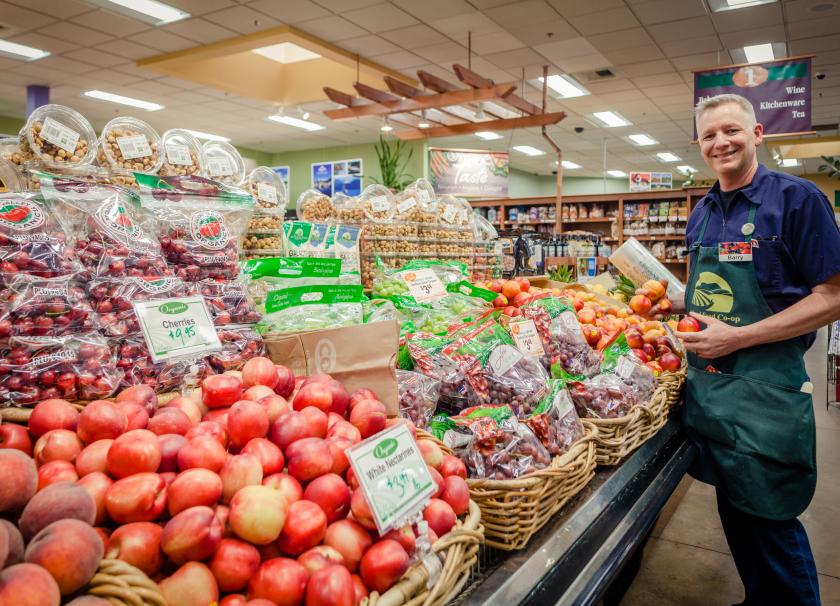
Meet Store Manager Barry Haynes
By Barry Haynes, Store Manager
Twenty three years ago my wife and I began our quest to relocate our family from the midwest to the west coast. We were looking for a beautiful area with an engaged community that would enable our children to thrive. Equally important, we wanted our new home to have a vibrant natural food store. When we arrived in southern Oregon, we felt as though we hit the jackpot.

Beat the Heat
When the heat of summer takes over, it can be hard on our bodies and moods. Don’t let the scorching temps get you down, cool off with one of these refreshing Staff recommendations.
Report from the Board of Directors: Strategic Plan Update
By Jeff Golden, External Relations Committee Chair
Ashland Food Co-op is striding into the future with careful intention. We’re especially focused on the three top priorities of our strategic planning process, a collaboration of our board and management team. A quick update: