Celebrating Indigenous Food and Traditions
Each October, when so many across the country celebrate Indigenous Peoples' Day, the Ashland Food Co-op pauses to reflect on the land we call home, the people who've cared for it, and how food and connections to the land can help us return that inheritance in a positive way. This holiday isn’t just a request that we correct the record of history, but that we also plant a greater sense of home, appreciation, and responsibility. In southern Oregon, that means exploring the histories and teachings of the Shasta, Takelma, Latgawa, and other tribes whose ancestral lands include what is now Ashland.
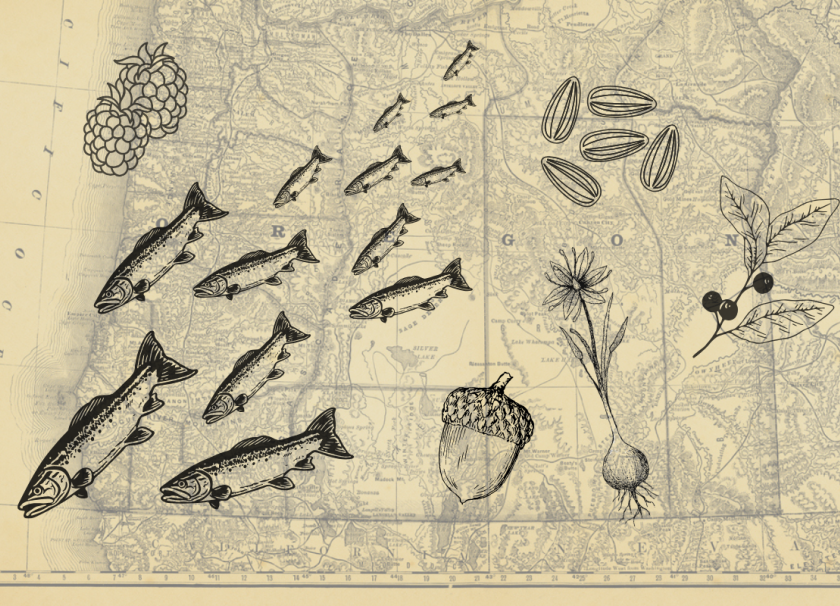
Indigenous peoples in our region lived prior to Euro-American settlement in a deep relationship with food cycles and place. In the Rogue Valley and along the Table Rocks, the Takelma were sometimes called “Dagelma,” meaning “those who dwell by the river.” Life revolved around the waters and the changing seasons. Salmon filled their nets, while wild roots, berries, seeds, and game rounded out their meals. As the seasons changed, they followed the rhythms of the land, moving between elevations to fish, gather, hunt, and carefully store what they would need for the months ahead. Their activity wasn’t just for survival, but for reciprocity: farming soils, burning to maintain open meadows, incubating plant habitats, and honoring areas of ceremony. Their ways of tending the land remind us that we still have much to learn about balance, respect, and stewardship.
Deep disruption came in the mid-1800s: the Rogue River Wars of 1855–1856, when numerous Indigenous communities were forcibly relocated, treaties were violated, and war and disease devastated populations; the brief existence of the Table Rock Reservation was formed and abolished; and numerous descendants of these groups found themselves caught up in confederated treaties or relocated to other reservations. In spite of this break, Indigenous families still reside here, remember, revive language, and preserve cultural food traditions throughout Oregon today.
Food is one of the most powerful connections we have to memory, respect, and the planet itself. Here in Oregon, "first foods" like salmon, roots, berries, and game are still central to Indigenous food sovereignty.This work in southern Oregon centers on renewal: restoring native plants, rebuilding traditional harvesting, and restoring both cultural connections and care for the earth. By the fact that co-ops are community, we can be the change by learning about Indigenous foodways, finding Indigenous-grown produce when possible, and supporting organizations that uplift Native voices.
Indigenous Peoples’ Day reminds us that honoring the past is not only about memory, but also about the actions we take today. We encourage you and our community to become conscious of whose territory you stand on, to contribute financially to Native nonprofits, and to buy at Indigenous food producers. There's something good we can do towards reciprocity, justice, and healthier relations with people and places.
Sources:
- OSF Ashland Land Acknowledgment: https://www.osfashland.org/land-acknowledgment
- BLM Table Rocks History: https://www.blm.gov/programs/recreation/recreation-activities/oregon-washington/tablerocks/cultural-history/regional-tribes
- Rogue River Wars: https://en.wikipedia.org/wiki/Rogue_River_Wars
- Table Rock Reservation: https://en.wikipedia.org/wiki/Table_Rock_Indian_Reservation
- Travel Oregon – Indigenous Foods: https://traveloregon.com/things-to-do/culture-history/celebrate-oregons-indigenous-foods/
- My Oregon – Indigenous Foodways in Southern Oregon: https://www.myoregon.gov/2022/12/20/how-indigenous-communities-are-reclaiming-knowledge-and-relationships-to-first-foods-in-southern-oregon/
More Co-op News
Spring Picks
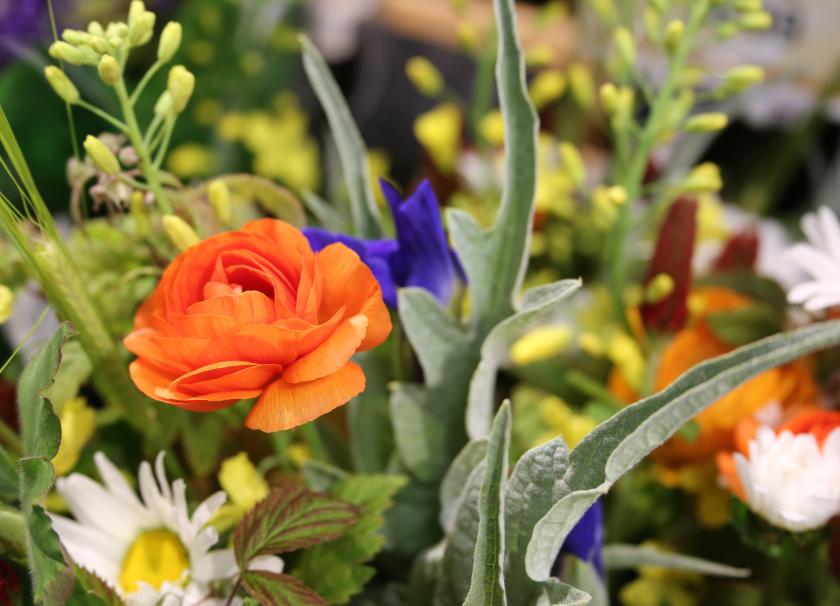
The sun is (mostly) out and the weather is finally getting warmer. That must mean summer is right around the corner, right? We sure hope so. We’re ready to grill, soak up some sun and enjoy the many fruits and vegetables that are in season. Our Floral Coordinator, Rachel Chastain, shares some of her favorites.

Be the Sustainable Change
By Laura Pfister, Media Coordinator
Sustainability is not a new concept at the Co-op. It has always been part of our DNA. We’ve been using sustainable business practices before it was the “cool”, “responsible” thing to do. In fact, the Co-op was founded 45 years ago largely on the principles of sustainable, local organic food production as an alternative to modern industrial agriculture.
A New Look
By Laura Pfister, Media Coordinator
For 45 years we’ve been loving local and fostering community. Throughout our almost half a century history, our identity and logo has gone through many iterations.
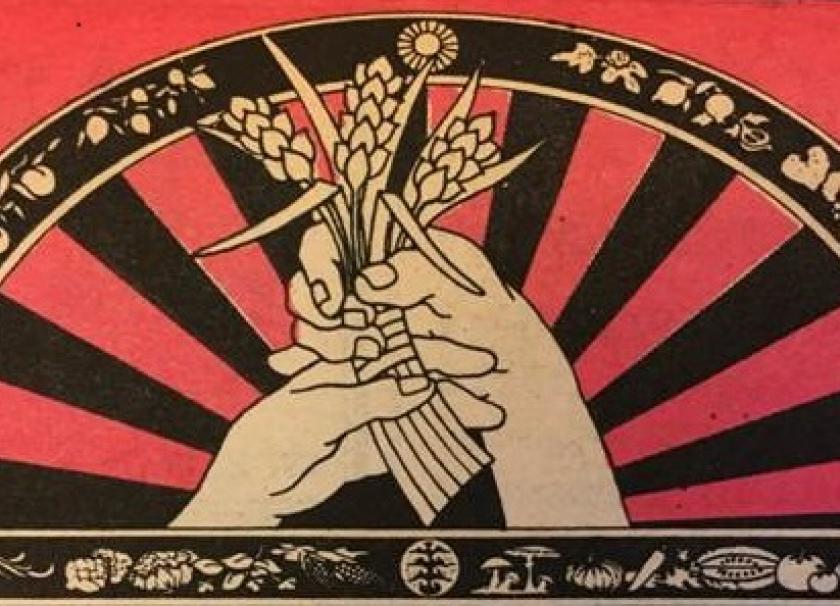
Some of you might remember the logo above from our newsletter in the early 1980s.
As we’ve done multiple times throughout our history, it’s time to refresh our brand and launch a beautiful, new logo to take us into the next decade.
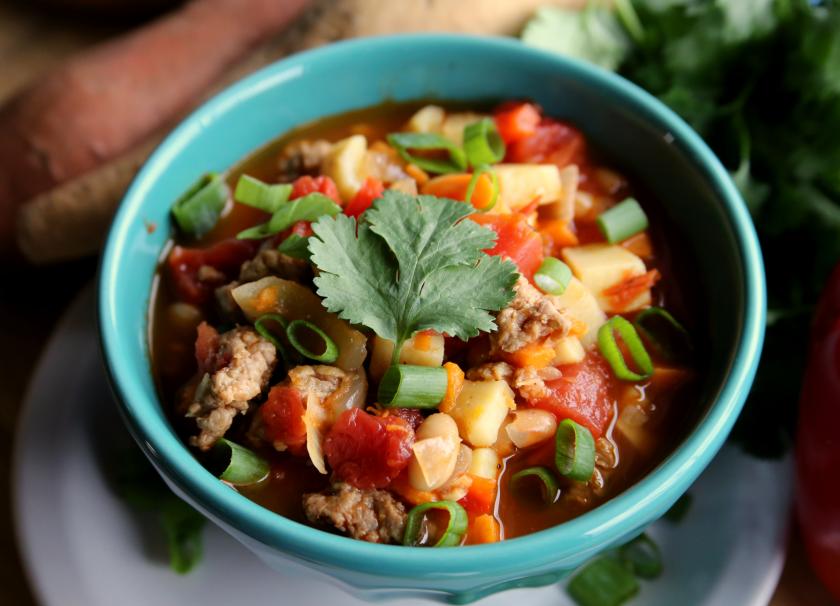
Turkey and Sweet Potato Chili
Turkey and Sweet Potato Chili is one of my favorite Co+op Basics recipes. It is full of flavor, color and shatters the myth that a healthy meal has to cost a fortune and take all day to prepare. This recipe is also a clever way to use sweet potatoes, which are not only tasty but high in fiber and vitamin A.
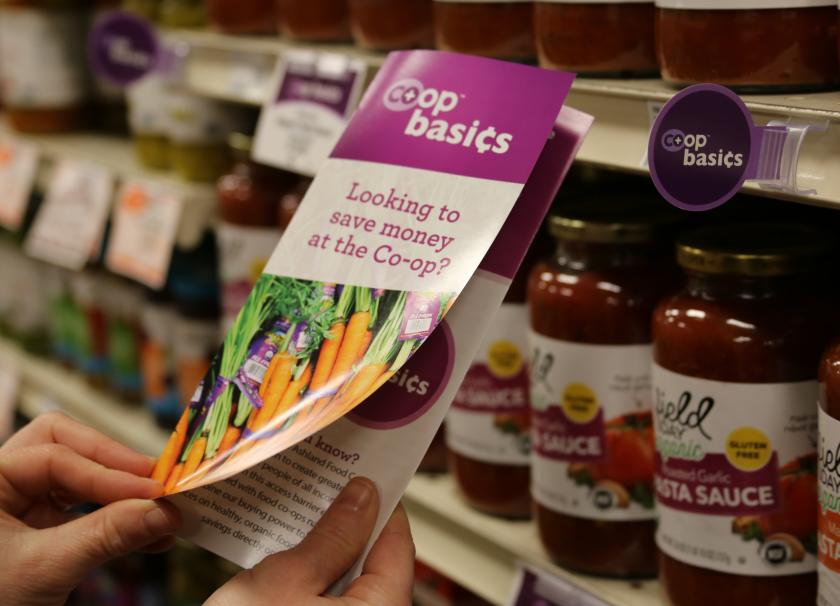
Looking to Save Money at the Co-op?
By Laura Pfister, Media Coordinator
We hear from time to time that people feel the Co-op is higher priced than other stores. In the past, we may have earned this perception. But not anymore. We took a long, hard look at ourselves and we talked with other Co-ops across the country. Together, we are pooling our resources to bring you organic, household staples at everyday competitive, low prices. Welcome to Co+op Basics.
45 Years Strong
On Valentine’s Day, the Ashland Food Co-op turns 45 years old.
It’s hard to imagine we’ve been providing healthy, organic food to the Rogue Valley for almost half a century. From our humble beginnings as the Ashland Community Food Store to now a thriving Co-op with over 10,000 owners, it has been an honor to serve this community.
Let’s take a brief stroll down memory lane and see how far we’ve come in 45 years.

Saving Paper One Coupon at a Time
To further our sustainability efforts and to serve you better, we began offering Electronic Owner Coupons this month at the register.
No more forgetting to bring your owner coupons. No more waiting for your newsletter to arrive. Cashiers will simply ask if you want to use your owner coupons when you check out.
A few key points to remember:
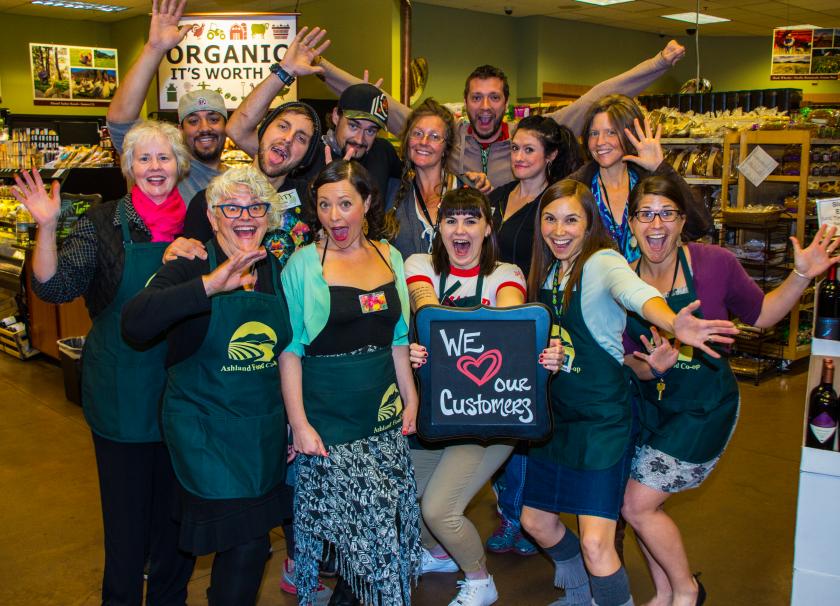
Thank YOU For a Wonderful Year!
2016 had many notable moments. We hosted many successful family friendly events, added 150 more solar panels to our roof, and earned 25% of our sales for local products. We proudly donated over $24,000 to area nonprofits through our Community Grants program. We welcomed 482 new owners and averaged 3,500 daily transactions.
Whew! And that is just a small sample.

Give Local
The food holiday season has finally arrived. This time of year is by far our most favorite. We’ve been dreaming of gingerbread cookies, pumpkin pie, mashed potatoes, turkey (or tofurky if that’s your fancy) and eggnog for months.
But beyond the holiday feasts, we love this time of year for another reason. It’s the season of giving. Amidst the shopping frenzies, family gatherings, and parties, giving back often becomes an afterthought.
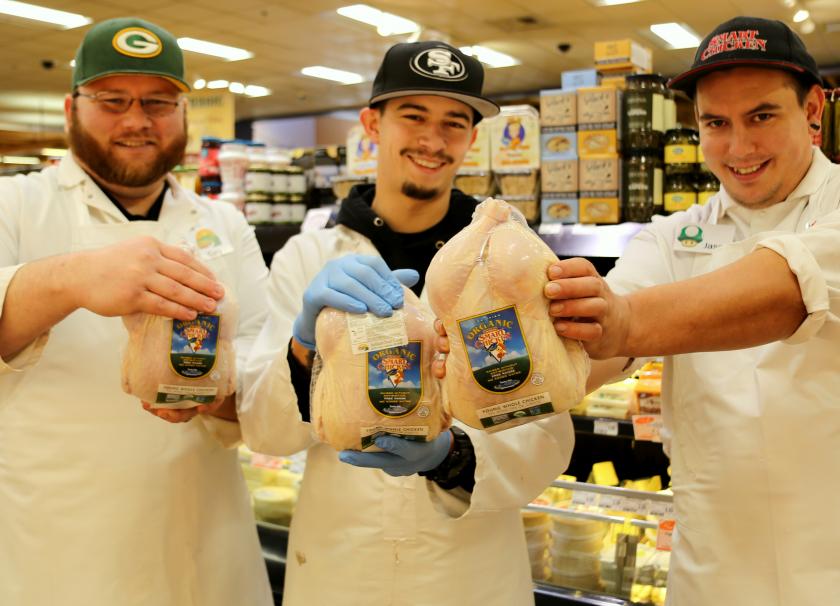
Happy Thanks-chicken!
We know, we know, November is all about turkey. But let us not forget the other, other white meat this holiday season. Chicken. This poultry meat often gets the spotlight, but during the month of November it is well deserved. Why? Because all month long, every time you purchase a Smart Chicken® product at the Co-op you help feed a hungry family in the Rogue Valley.
Here’s how it works:
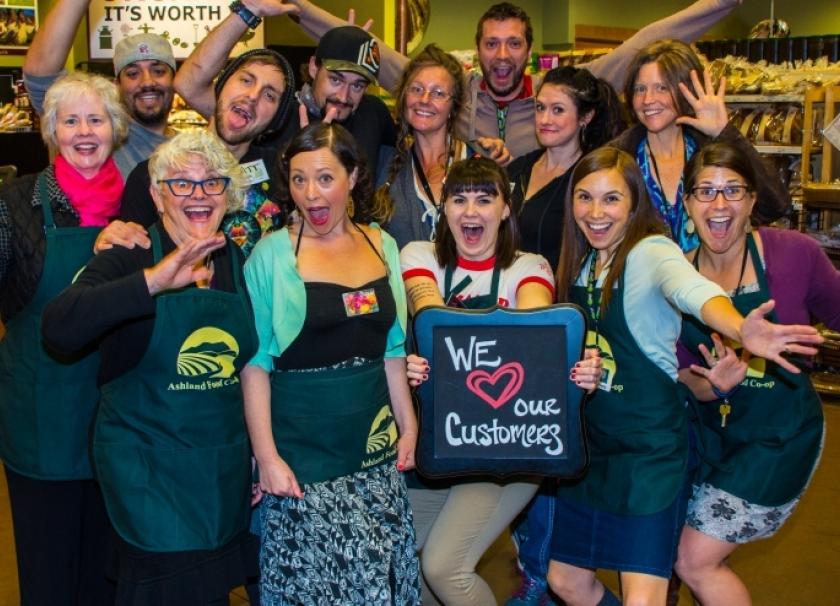
Co-ops Grow Communities
Co-ops around the world share a set of guiding principles including “cooperation among cooperatives,” and “concern for community.” We take these principles to heart.
When you shop at the Co-op, you aren’t just buying groceries. You are supporting a business that cares about people and contributes to a livable, sustainable Rogue Valley.
Did you know?
-
In 2015, we donated over $24,000 to area nonprofits.
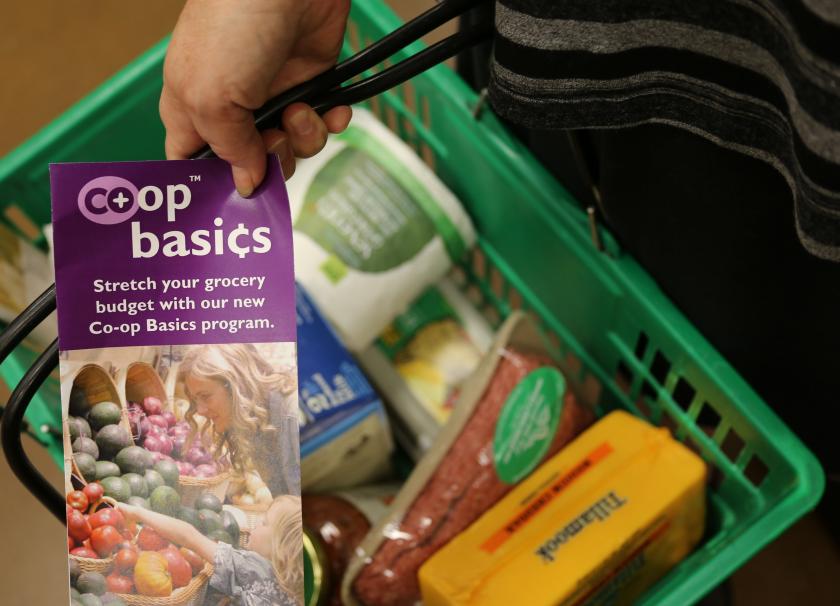
Feed an (Italian) army with Co+op Basics
My Italian Grandmother’s heart swells every time she sees my well-stocked pantry. I am prepared to feed an army at a moment’s notice, and sometimes that actually happens with my big family. But what my Grandma doesn’t know is how much I save by stocking my pantry with Co+op Basics products.
We Love Local
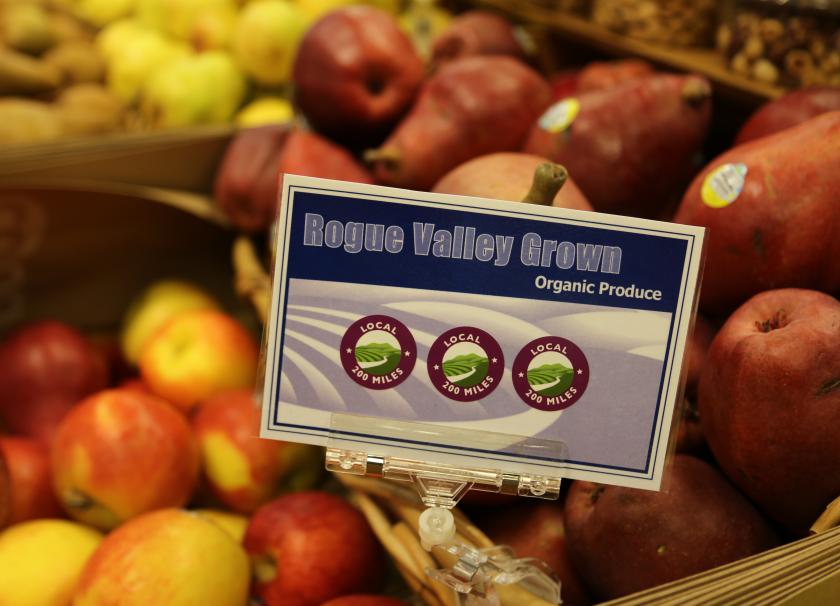
We take pride in supporting local farmers, producers, vendors and vintners. When we say local, we mean local. At some grocery stores, the word local gets thrown around like the word “natural,” ambiguously and with a broad definition.
But local means something to us. A definition we take meticulous pride in.
Local adjective
Any food or product grown, produced or made within 200 miles.
Let’s use it in a sentence. The Ashland Food Co-op supports an average of 250 local companies.
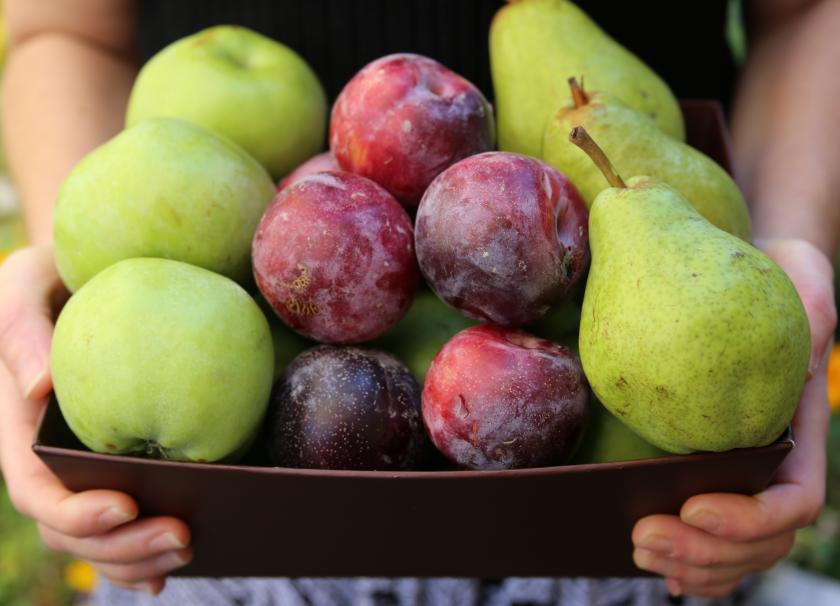
Wanted: Wormy Apples, Fallen Plums & Over Ripe Pears
Urban fruit is copious this time of year in the Rogue Valley. It’s hard, dare we say impossible, to make enough pies, cobblers, and salads to keep up with the backyard abundance.
So what do you do with all that unpicked fruit?
Instead of letting your pears, plums and apples go to waste, or to feed the deer, bring them to the Co-op for collection.
Apple Outlaw Cider, in collaboration with the local community, is setting out to create a one of a kind hard cider, dubbed “Apple Outlaw Community Cider”.
Fire Up The Grill
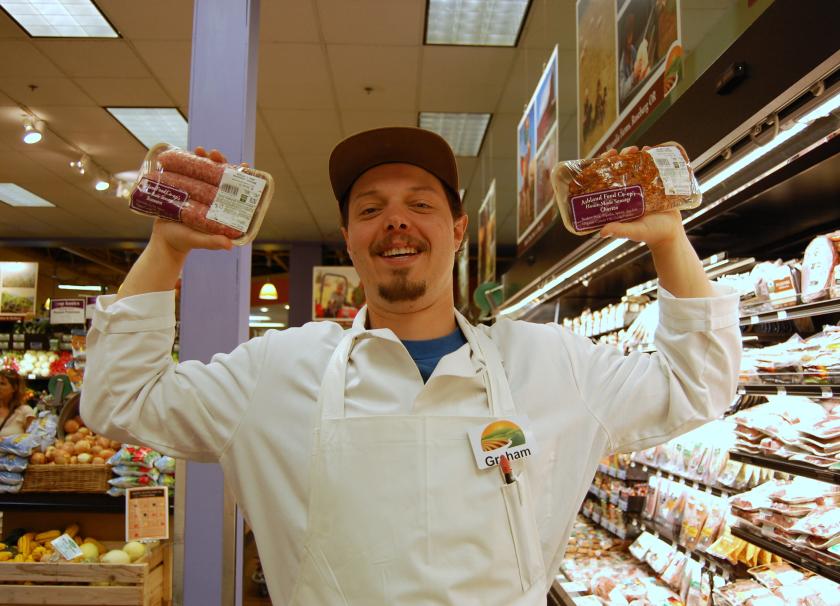
Break out of your dinner rut with something fast and juicy. The Meat Department staff share their go-to favorites to throw on the grill. Flame on, baby!
Brian Swift
Flat Iron is my favorite steak. So simple to cook. Just add salt, pepper, garlic, and cook it on a super hot grill. 5 minutes later you have an amazing steak.
Sam Roberts
TriTip marinated in our Kinders barbeque sauce, seared on both sides with a little pink in the middle, is what I really enjoy the most.