April 2023 Change for Good Partner: Pollinator Project Rogue Valley
From Kristina Lefever, Pollinator Project Rogue Valley President
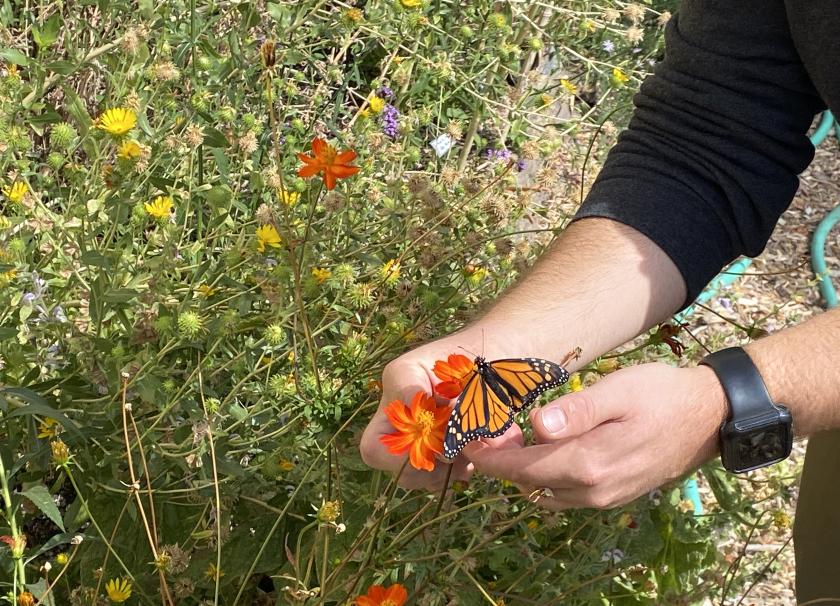
We have a reason, a way, and yes, a hope, that we as humans will act to insure the long-term sustainability of this beautiful place where we live. We believe that gardens, specifically pollinator gardens, are even more important now, because they provide not only a much needed respite for the remaining populations of pollinator species, but also a place for them to live, survive, and thrive in an ever shrinking larger landscape. It is becoming more and more apparent that gardens, spaces and “landscapes” can no longer serve only the interest of “us” - in fact, we must think about how our outdoor spaces can serve other creatures who live here, too, before it's too late.
Join us on our journey of discovery, beauty, and creation - how can planting native in our gardens and landscapes help restore our local ecosystem? There are many resources to inspire you to learn more about why and how to grow a native pollinator garden, or at the least, to add natives to your space, and help serve our native pollinator populations and the ecosystems that they support. We like to think our Resources page is a good one to get you started!
How can folks bring in more pollinators?
It’s simple. A pollinator-friendly landscape provides:
1. Forage - Trees, shrubs, flowering plants, and native grasses that provide pollen and nectar from early spring to early winter, and/or are “host plants” for caterpillars (baby butterflies) to eat.
2. Water and/or mud - River, spring, seep, or stream, or shallow, pebble lined dish, bird bath or other water feature
3. Habitat - Untended or wild areas with bare soil, shrubs and native plantings for nesting and overwintering of bees, butterflies, and other pollinators
4. Pesticide Free Areas - Seeds and plants not treated with neonicotinoids, and minimal to no use of herbicides, insecticides, and fungicides.
How can people get involved?
Help us Bring Back the Pollinators!
- Take a self-guided tour of our demonstration native plant garden with our Native Pollinator Garden Plant Guide and videos!
- Invite Pollinator Pals to your school, youth program, business or event!
- Learn about and GROW the native plants that best support our native pollinators!
- Contribute to help us create educational programs, videos, and materials about native plants and pollinators!
- Request PPRV to be a guest speaker for your group or at your event!
- Support our efforts to install pollinator gardens of native plants in fire-impacted communities!
- Follow us on social media!
- Volunteer with us! We are especially seeking volunteers with videography, graphic design, and social media experience, as well as general administrative help.
The more you know... visit the Pollinator Project Rogue Valley's website to learn more!
More Co-op News

The Power of Principle Seven
By Emile Amarotico, General Manager
As we approach the holidays, I’d like to invoke the spirit of the Seventh Cooperative Principle: Concern for Community. The International Cooperative Alliance defines Principle Seven as when “cooperatives work for the sustainable development of their communities through policies approved by their members.”
So how does that work? How does Ashland Food Co-op demonstrate concern for community?
The Co-op is Certified Organic! What does that mean?
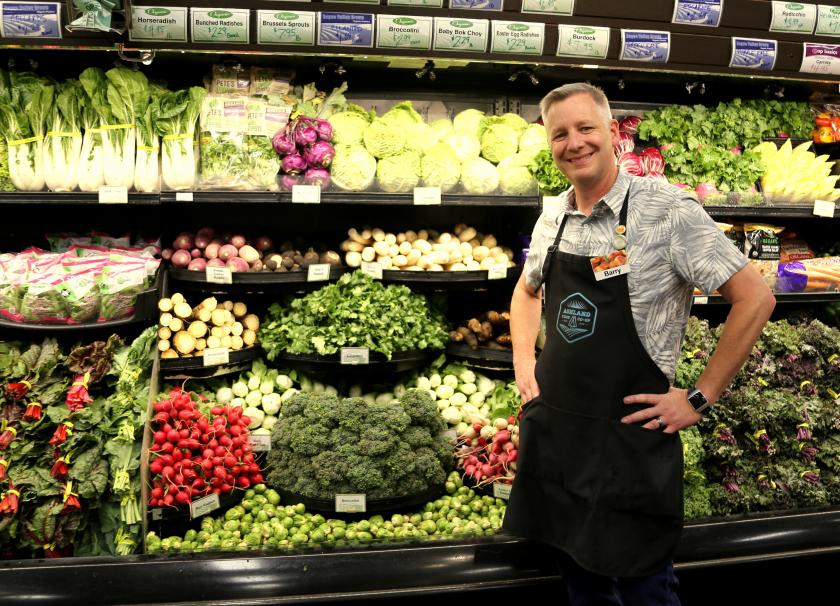
By Barry Haynes, Store Manager
Did you know that the Ashland Food Co-op is the only Certified Organic Retailer in southern Oregon. Well, that’s great! But what does that actually mean?
Love Local with the Local Guy
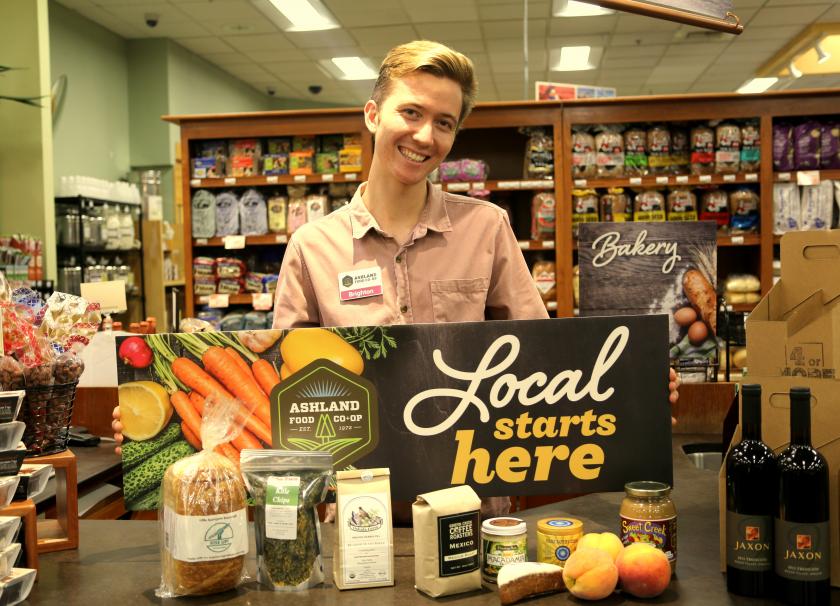
Throughout September, we will be celebrating all things local. And no one loves local or is more local than our Temporary Demo Coordinator, Brighton Litjens. He was basically raised at the Co-op, has a strong passion for local farmers and producers and loves delighting shoppers with delicious samples and great deals. Who better to tell us about loving local than the "Local Guy" himself?
Tell us a bit about yourself.
Owner Benefits: Independence and Connection
By Julie O'Dwyer, Board Secretary, Chair of the Owner Engagement Committee

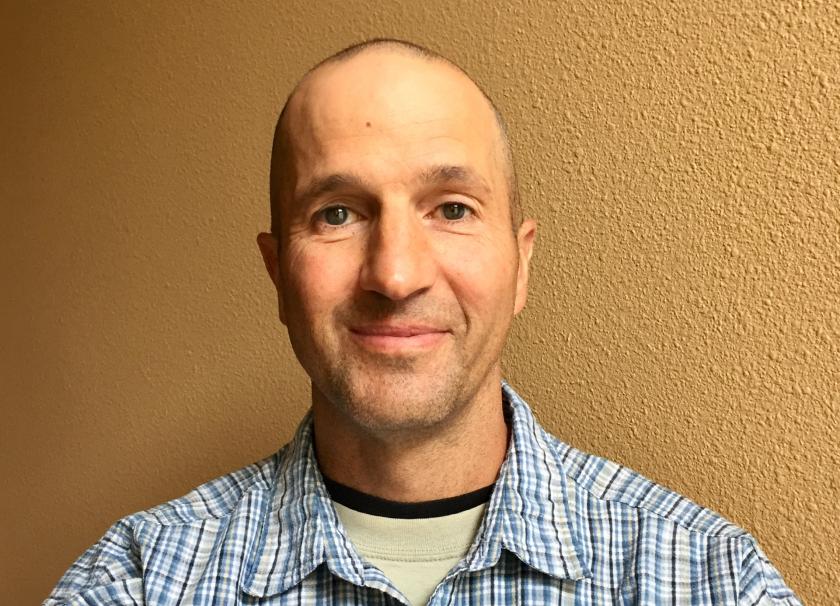
Meet Board of Director Trine Ostergaard
Trine Ostergaard is a newly elected Ashland Food Co-op Board of Director. She brings a world, literally, of experience to the table and has a sincere passion and love for the Co-op. We are thrilled to have her aboard and asked her to answer a few questions.
Tell us a little bit about yourself.
Meet Board of Director Dean Williamson
Dean Williamson is a newly elected Ashland Food Co-op Board of Director. He brings to the table a plethora of co-op experience and a love of chocolate chip cookies. We are thrilled to have him aboard and asked him to answer a few questions.
Tell us a little bit about yourself.
Staff Picks: Favorite Local Products
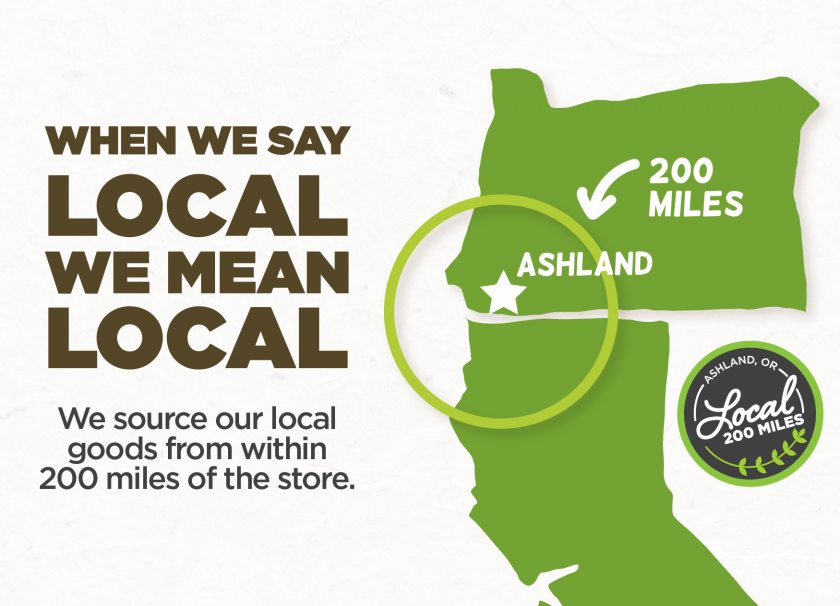
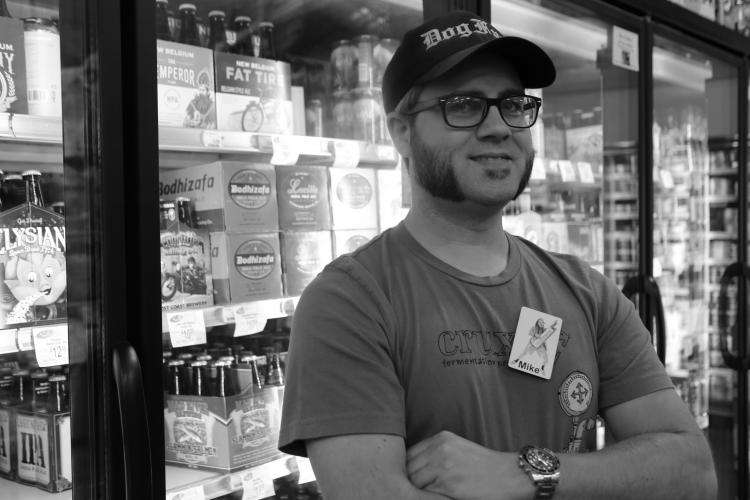
September is Love Local Month! All month long we’re celebrating our local farmers and vendors with demos, events and more. Here are some of our staff's favorite local products.
How Can I Reduce My Plastic Use at the Co-op?
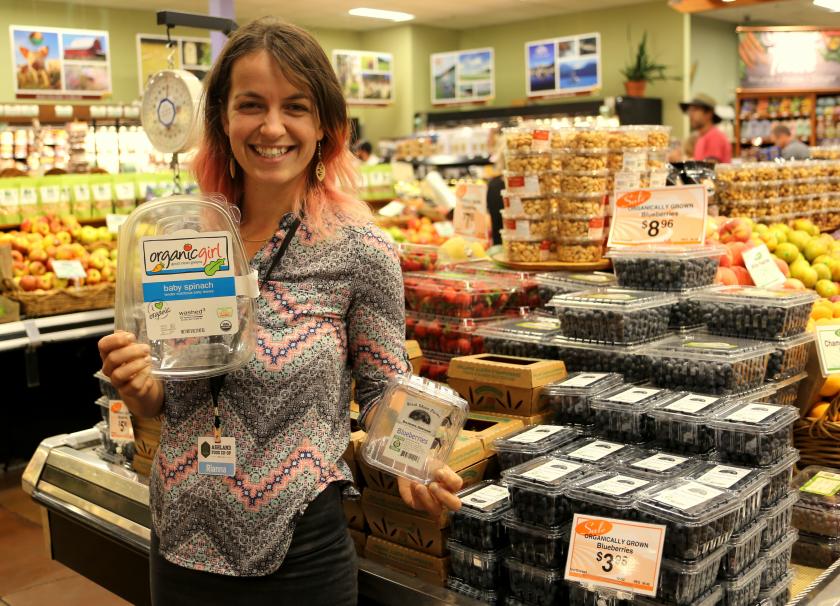
By Rianna Koppel, Sustainability Coordinator
Plastic pollution today is a global dilemma. Did you know that more than 40% of plastic is used once, then tossed? In 2015, 79% of total plastic waste ended up in landfills or the environment. How can our co-op help reduce the amount of single-use plastics? Luckily, we offer a variety of options for owners.
Stainless Steel Straws
Meet Pachamama Coffee Cooperative
By Lauren Taber, Pachamama Coffee Cooperative
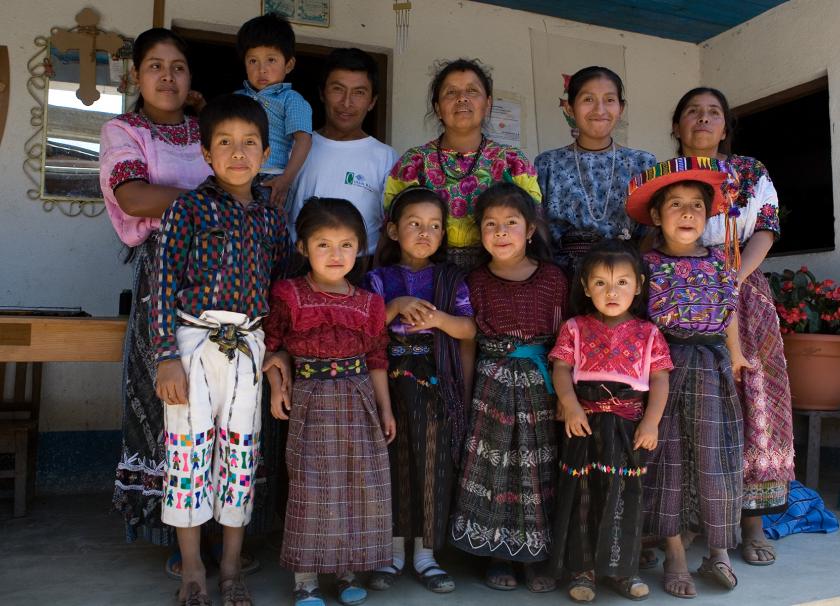
Pachamama Coffee Cooperative started in 2001 with a few simple questions in mind: what would it look like to take Fair Trade a step further? How can coffee farmers be in direct relationship with end consumers in the United States?
We found that the answer was even simpler: cooperative ownership. Pachamama Coffee has been 100% farmer-owned since day one, and is currently owned by 140,000 small scale family farmers across the coffee producing regions of the world.
Community Cider Backyard Fruit Drive
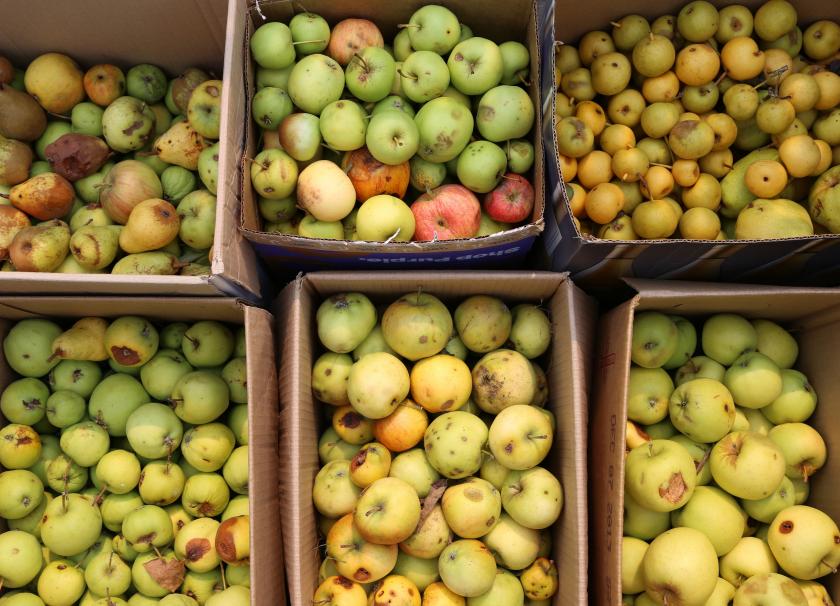
How often can you browse the shelf at your neighborhood grocery store, see a bottle of hand crafted, local cider and say, “Hey, I help make that!” Well, at the Co-op you can.
2018 Board Election Results
The AFC Board of Directors is pleased to announce the results of the 2018 Board Election. There were three excellent candidates running for two Board positions. In total, 905 votes were cast.
Congratulations to the following candidates who will serve three-year terms on the Ashland Food Co-op Board of Directors.
Thank you for voting!
.png)
Meet Store Manager Barry Haynes
By Barry Haynes, Store Manager
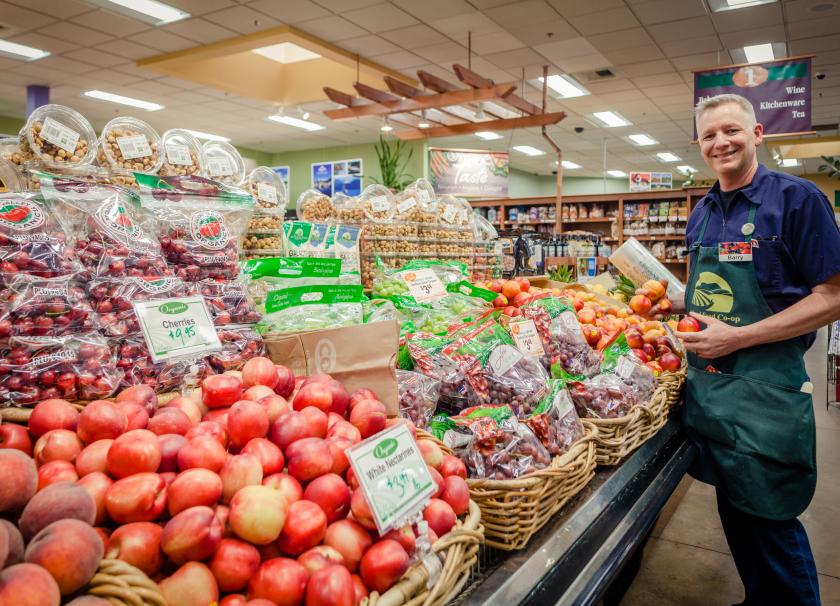
Twenty three years ago my wife and I began our quest to relocate our family from the midwest to the west coast. We were looking for a beautiful area with an engaged community that would enable our children to thrive. Equally important, we wanted our new home to have a vibrant natural food store. When we arrived in southern Oregon, we felt as though we hit the jackpot.

Beat the Heat
When the heat of summer takes over, it can be hard on our bodies and moods. Don’t let the scorching temps get you down, cool off with one of these refreshing Staff recommendations.
Report from the Board of Directors: Strategic Plan Update
By Jeff Golden, External Relations Committee Chair
Ashland Food Co-op is striding into the future with careful intention. We’re especially focused on the three top priorities of our strategic planning process, a collaboration of our board and management team. A quick update: