Meet our November Change for Good Recipient
November is Native American Heritage Month! Each year, the Ashland Food Co-op selects a nonprofit organization that is focused on Tribal lands, restorative justice, and enhancing quality of life for all Native Peoples.
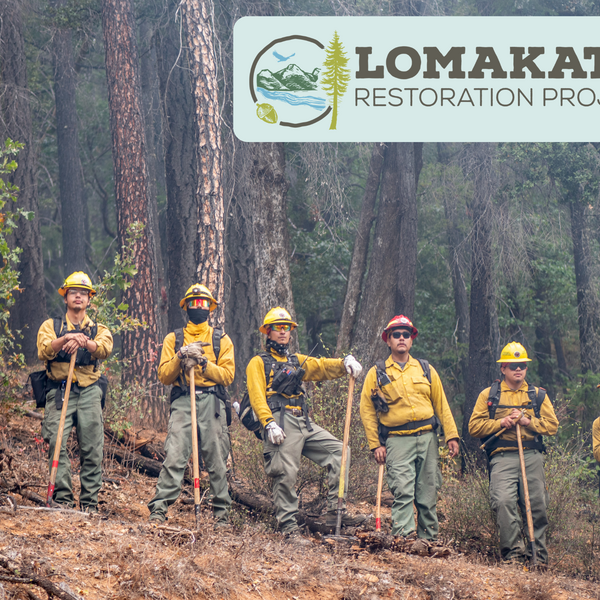
The Lomakatsi Restoration Project is a nonprofit 501(c)(3) organization dedicated to providing education and outreach, ecological forestry workforce training programs, community supported watershed restoration projects, and a wide variety of volunteer opportunities.
Through the use of six different ecological principles, Lomakatsi sees these as the basis for ecological prescriptions which are applied and monitored by experts in multiple fields, and are implemented with care by trained workers.
This organization believes that while nature does the real restoration work, these principles are a guide to learn how to help without causing additional problems:
- Remember the Forest
- Retain old and large trees: the most fire resistant component of the forest.
- Consider broader landscape-level conditions when planning site-specific restoration activities.
- Plan restoration thinning treatments over time; follow up the initial treatment in intervals over a several-year period, allowing the forest to adjust to the alteration of vegetation.
- And much more…
- Remember the Fire
- Fire is medicine for the land.
- Carefully plan and implement prescribed burning treatments to provide the ecologically beneficial effects of fire, and to maintain reduced fuel loads whenever possible.
- Assure proper permitting procedures are followed, and always plan for the safety of human communities.
- Following prescribed fire, reseed selected areas with native grasses to enhance site conditions.
- Remember the Wildlife
- Leave some areas untreated for the birds and wildlife using the area.
- Thin in a mosaic pattern, leaving thickets, maintaining natural openings and meadows, and enhancing older forest stands by maintaining canopy cover.
- And much more…
- Remember the Soil
- Develop thinning treatments in relationship to slope, aspect and soil types.
- Place thinned logs on the ground, perpendicular to the slope, to catch upslope erosion and contribute to future soil formation.
- In steep slopes and sensitive soil types, lop and scatter coarse woody debris.
- Remember the People
- Listen to residents and neighbors. They know the ways in which each site is unique.
- Different cultures each have their own ways of understanding the complex diversity of nature.
- Train workers about ecological principles, and how to see the special characteristics of each place.
- And much more…
- Monitor and Learn
- Incorporate monitoring strategies to evaluate restoration treatment effectiveness. Work with specialists to develop monitoring protocols for projects that measure a variety of resources including soils, trees, vegetation, wildlife, aquatic habitat, etc.
- Keep complete records of prior conditions, work accomplished, and the time, money, and people that it took.
- Watch and document what happens over time.
- Review information about similar sites before deciding how to treat new ones.
Lomakatsi restores a wide range of complex forest communities and wildlife habitats, while simultaneously reducing the threat of severe wildfire. In the process, they create hundreds of living wage jobs and support rural economies by delivering restoration byproducts, including small diameter trees and biomass material, to local mills.
The Lomakatsi Restoration Project is a symbol of collaboration, proving that the work is better when we work together. Lomakatsi’s tribally led Tribal Ecosystem Restoration Partnership Program and the Inter-Tribal Ecosystem Restoration Partnership (ITERP) support partnerships with Native American Tribes and tribal communities throughout Oregon and northern California to build sustainable ecosystem restoration programs.
Lomakatsi’s tribal staff, representing tribal members from seven tribal nations, work closely with tribal and agency partners to incorporate Indigenous Traditional Ecological Knowledge into ecosystem restoration projects. Tribal Partnership initiatives assist in building a tribal workforce with managerial and administrative capacity to implement ecological restoration and work on their time immemorial ancestral land bases, as the first best stewards. ITERP members represent regional tribes; tribal community leaders; Native American- owned forestry, wildland fire, and natural resource contracting businesses; and tribal-led nonprofit restoration and behavioral health organizations and programs throughout Oregon and northern California.
For more information, visit www.lomakatsi.org
Related Co-op News
News Full List
-
 September 28, 2026
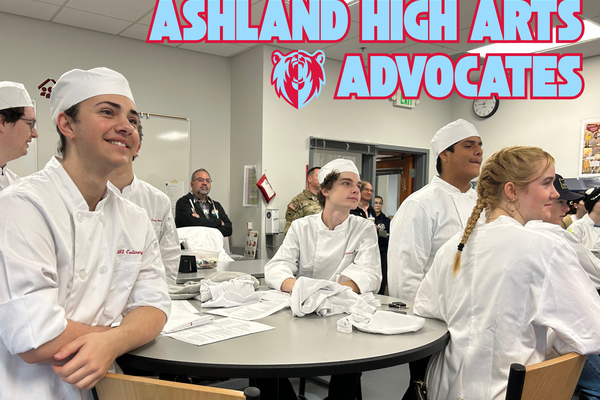
Meet our October Change for Good recipient!
AHAA empowers Ashland High School students to learn to cook thoughtful, sustainable and delicious food to help support themselves, our community and beyond. -
 September 02, 2026
Meet Our September Change for Good Recipient
This September 2026, our Change for Good recipient is Our Family Farms! -
 August 27, 2026
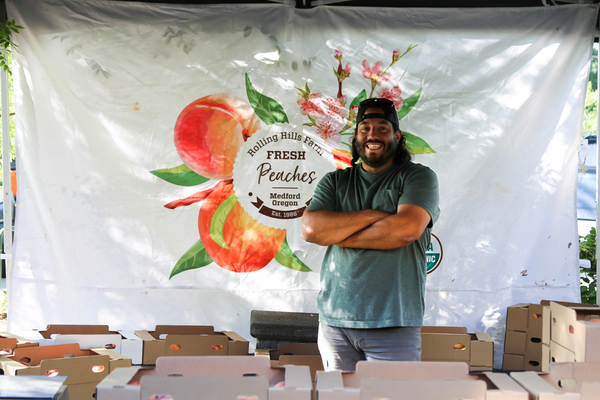
A special thank you from Rolling Hills Orchards
Read a special thank you from Produce Manager, Joe, and the rest of the Ashland Food Co-op and Rolling Hills Orchards Crew! -
 August 04, 2026
Meet our August Change for Good Recipient!
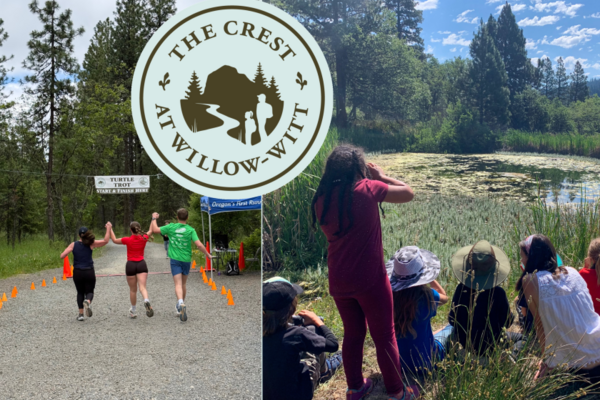
The Crest at Willow-Witt is an environmental education nonprofit located in the Cascade-Siskiyou National Monument.